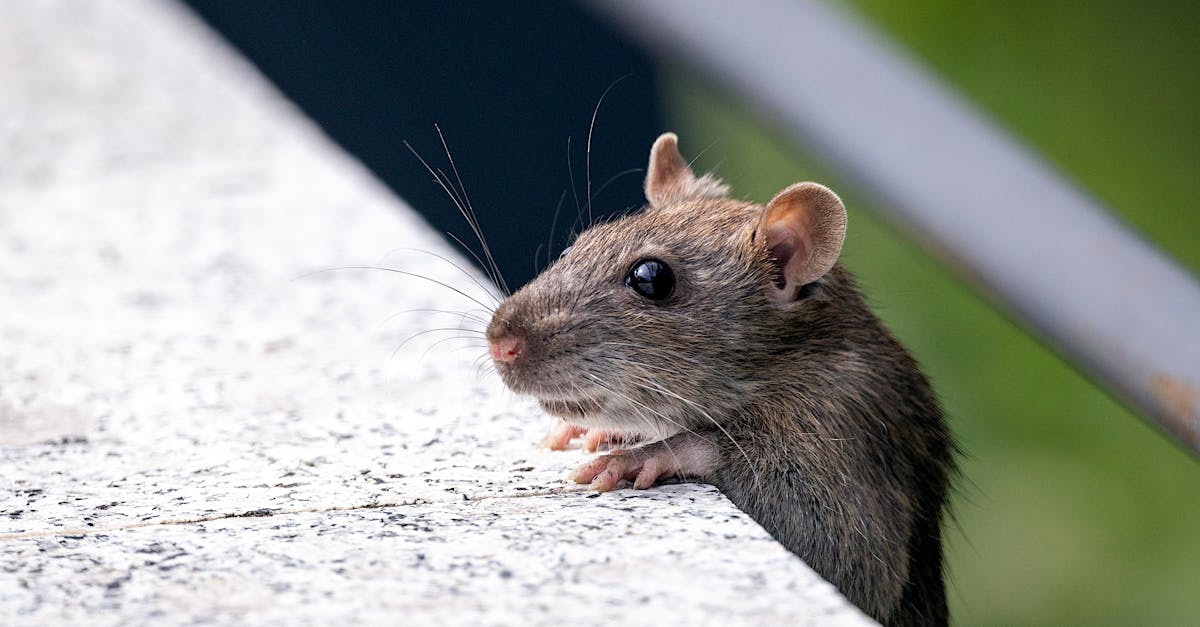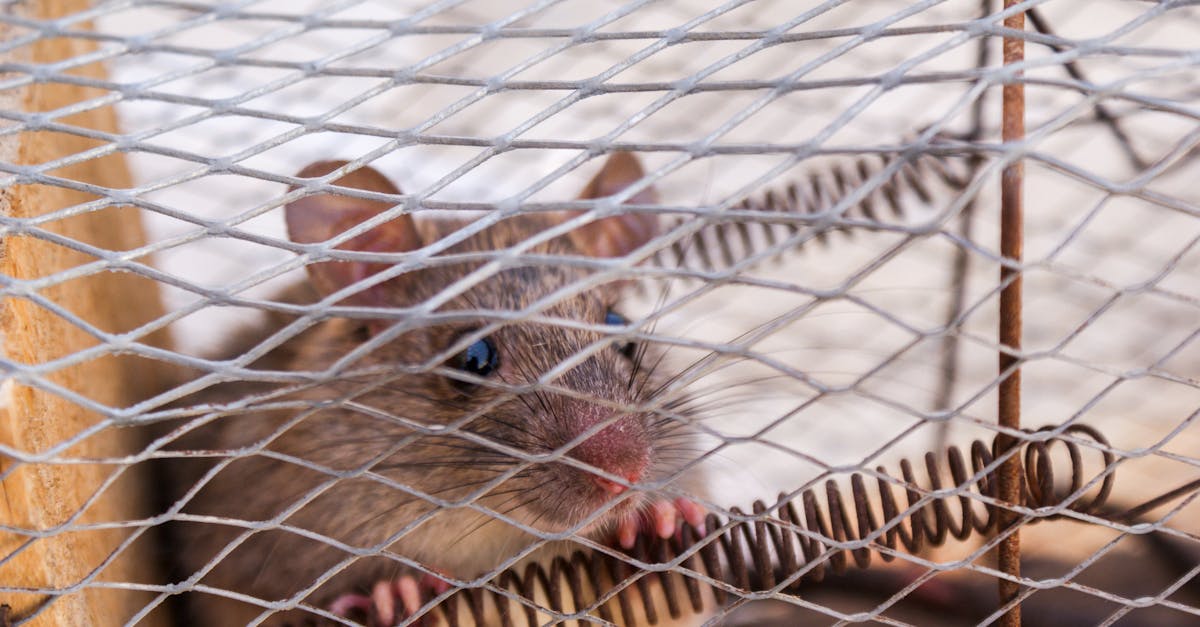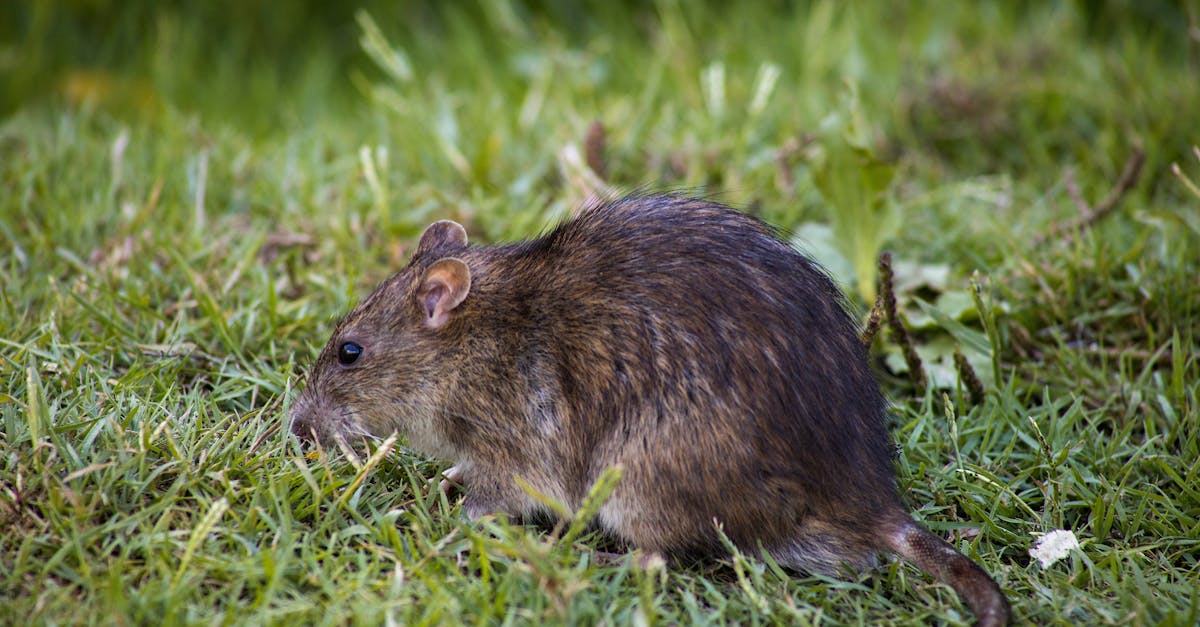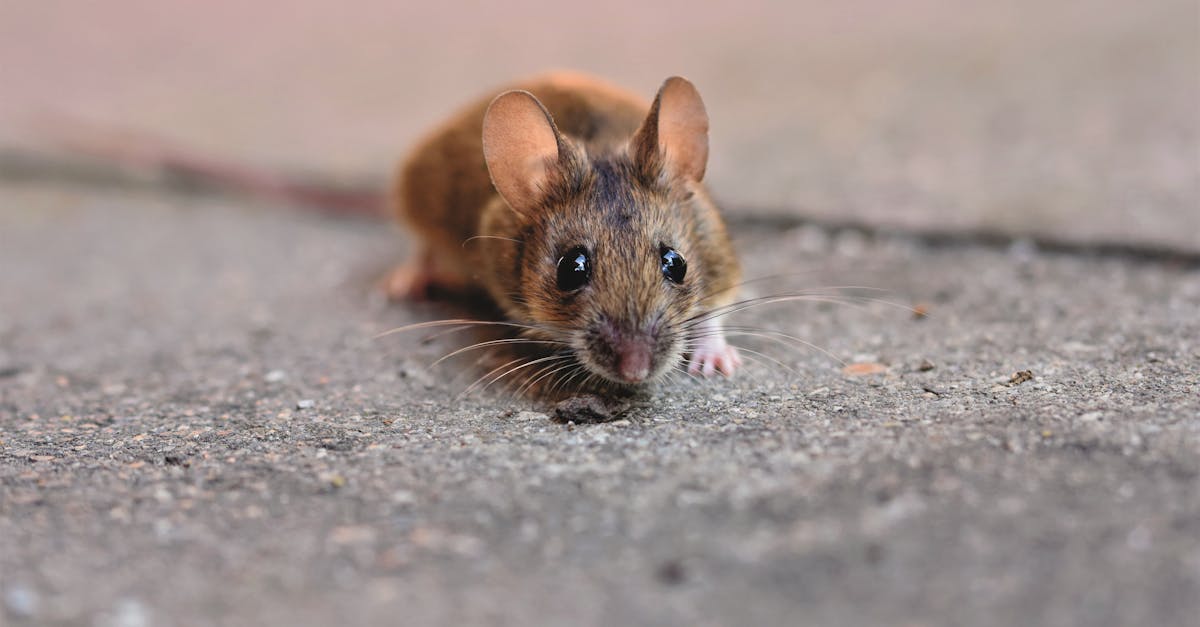
At Premier Pest & Wildlife Control, our Rodent Control service is designed to effectively eliminate and prevent rodent infestations in your home or business. We understand the health risks and structural damage that rodents can cause, which is why our team of experienced technicians employs advanced techniques and eco-friendly solutions to address any rodent issue. From thorough inspections to identify entry points to customized treatment plans that target the specific type of rodent you're dealing with, we ensure a comprehensive approach to protect your property. Additionally, our ongoing monitoring and preventive strategies help keep your space rodent-free long after our treatment is complete. Trust Premier Pest & Wildlife Control to safeguard your environment with our effective and reliable Rodent Control service.
The Importance of Sanitation in Rodent Control
Maintaining a clean environment is crucial in preventing rodent infestations. Rodents are attracted to food sources, and leaving scraps or clutter around provides them with an inviting habitat. Regular cleaning eliminates potential nesting materials and minimizes access to food. Proper waste disposal routines, such as sealing garbage cans and storing food in airtight containers, are effective measures that deter these pests.
Sanitation goes beyond simple tidiness; it involves strategic practices that support long-term pest management. It is important to conduct routine inspections of basements, attics, and other hidden areas where rodents may thrive. Addressing any leaks or moisture issues removes another incentive for rodent habitation. Incorporating these habits into daily routines not only fosters a cleaner space but significantly reduces the risks associated with rodent presence.
Best Practices for Keeping Your Space Clean
Maintaining a clean environment is essential for effective rodent control. Regularly disposing of food waste reduces attractants for rodents. Keep countertops clear of crumbs and store food in airtight containers. Vacuuming frequently helps eliminate debris where rodents may find shelter or food. Pay attention to less obvious areas, such as under appliances and in storage spaces, to ensure that no potential nesting sites remain.
Clutter can provide hiding spots and pathways for rodents to navigate through your home or business. Organize storage areas and reduce excessive items that could obstruct visibility and accessibility. Seal off entry points by inspecting window screens and door sweeps, which helps prevent rodents from entering. Consistent cleaning routines and organization can significantly minimize the risk of rodent infestations while promoting a healthier, more hygienic space.
Professional vs. DIY Rodent Control
Addressing a rodent infestation can be challenging. Many individuals start with DIY methods, attracted by the potential cost savings. Simple traps and bait are readily available at local stores and can be effective for minor issues. However, improper placement or ineffective techniques can extend an infestation, causing further damage and health risks.
On the other hand, professional pest control services provide a comprehensive approach. Trained technicians identify not only the presence of rodents but also their entry points and nesting areas. They utilize industrial-grade products and strategies tailored to the specific rodent species and severity of the issue. This expertise often results in a more thorough eradication, preventing future infestations and providing peace of mind for property owners.
Evaluating When to Call Pest Control
Recognizing the signs of a significant rodent problem is crucial in determining when to seek professional help. If droppings, gnaw marks, or nests are frequently observed, it's an indication that you may have a larger infestation. Additionally, strange noises coming from walls or ceilings, especially at night, often signal that rodents are making your space their home. A sudden increase in sightings or damage can suggest that the situation is beyond simple DIY measures.
Pest control professionals possess the expertise and tools necessary to address rodent issues effectively. They can conduct thorough inspections to identify entry points and areas of activity. Understanding the extent of the problem is vital, as some infestations may spread rapidly if not addressed promptly. In cases where DIY methods consistently fail or the infestation reoccurs, calling in experts can provide a more permanent and safe solution.
Seasonal Trends in Rodent Activity
Rodents are more likely to invade homes and businesses during specific seasons, particularly in fall and winter. As temperatures drop, these pests seek warmer environments and readily available food sources. This instinct leads them indoors, where they pose various risks, including contamination and structural damage. Understanding these seasonal patterns can aid property owners in implementing preventive measures throughout the year.
In warmer months, rodent activity often decreases as they take advantage of outdoor food sources. However, summer rains can disrupt their natural habitats, prompting them to search for shelter. Recognizing these shifts in behavior allows individuals to stay vigilant, ensuring that their spaces remain less attractive to these unwanted guests. Regular inspections and proactive sanitation efforts can significantly reduce the likelihood of infestations during peak activity times.
How Weather Influences Rodent Behavior
Rodents are highly adaptable creatures, and their behavior often shifts with changes in weather patterns. During colder months, they seek warmth and shelter, driving them closer to human habitats. Cracks and openings in buildings become prime targets for these pests as they look for places to nest. Homeowners may notice increased activity indoors when temperatures drop, leading to a higher likelihood of infestations.
In contrast, warmer weather tends to push rodents outdoors in search of food and water sources. Gardens, bird feeders, and garbage bins can become attractive meals. Consequently, this seasonal shift can lead to populations expanding in natural environments before they eventually seek shelter again as conditions change. Understanding these seasonal trends is crucial for effective rodent control and prevention strategies.
FAQS
Why is sanitation important in rodent control?
Sanitation is crucial in rodent control because it eliminates food sources and nesting materials that attract rodents, making your space less appealing to infestations.
What are some best practices for keeping my space clean to prevent rodents?
Best practices include regularly disposing of garbage, sealing food in airtight containers, cleaning up spills immediately, and decluttering areas to reduce potential nesting sites.
When should I consider hiring a professional pest control service for rodent issues?
You should consider hiring a professional pest control service when you have a significant infestation, cannot identify the source of the problem, or have tried DIY methods without success.
How does weather influence rodent behavior?
Weather influences rodent behavior by driving them indoors during colder months for warmth and shelter, while warmer weather may increase their activity levels as food becomes more available.
What seasonal trends should I be aware of regarding rodent activity?
Rodent activity tends to increase in the fall and winter as they seek shelter indoors, while spring and summer may see a decrease as they breed and find food sources outdoors.