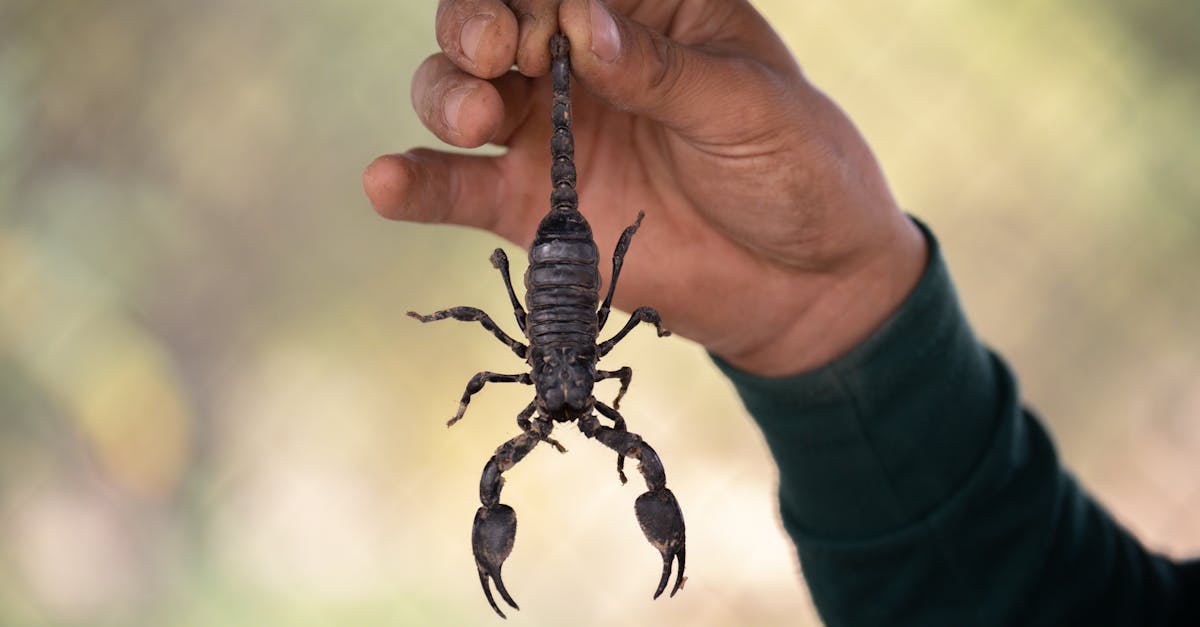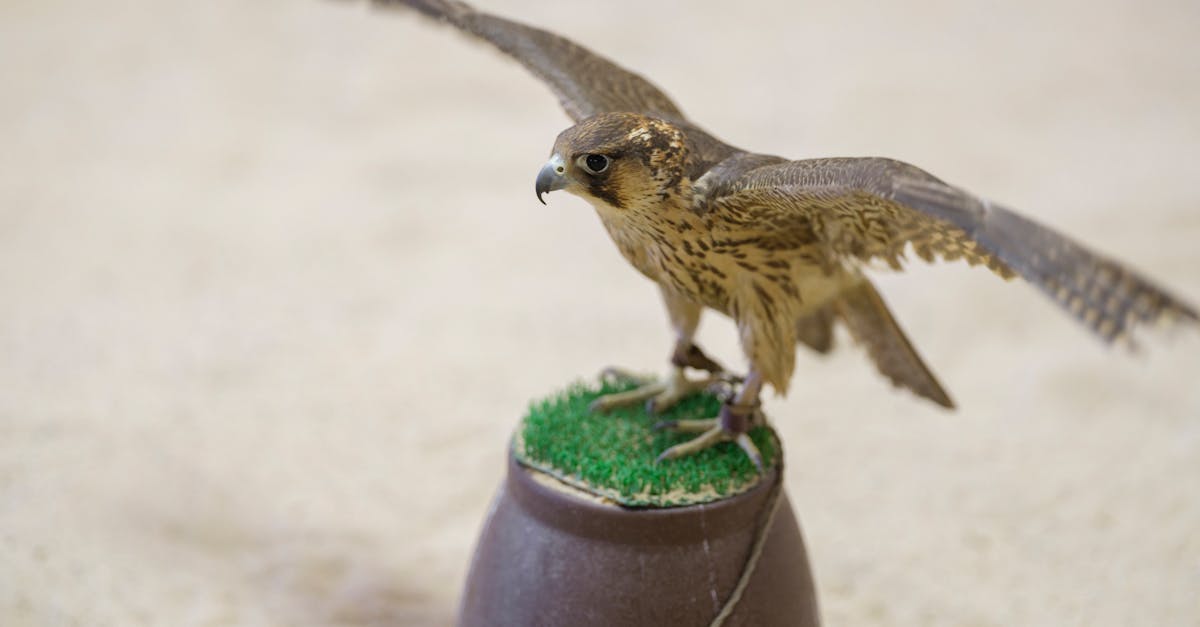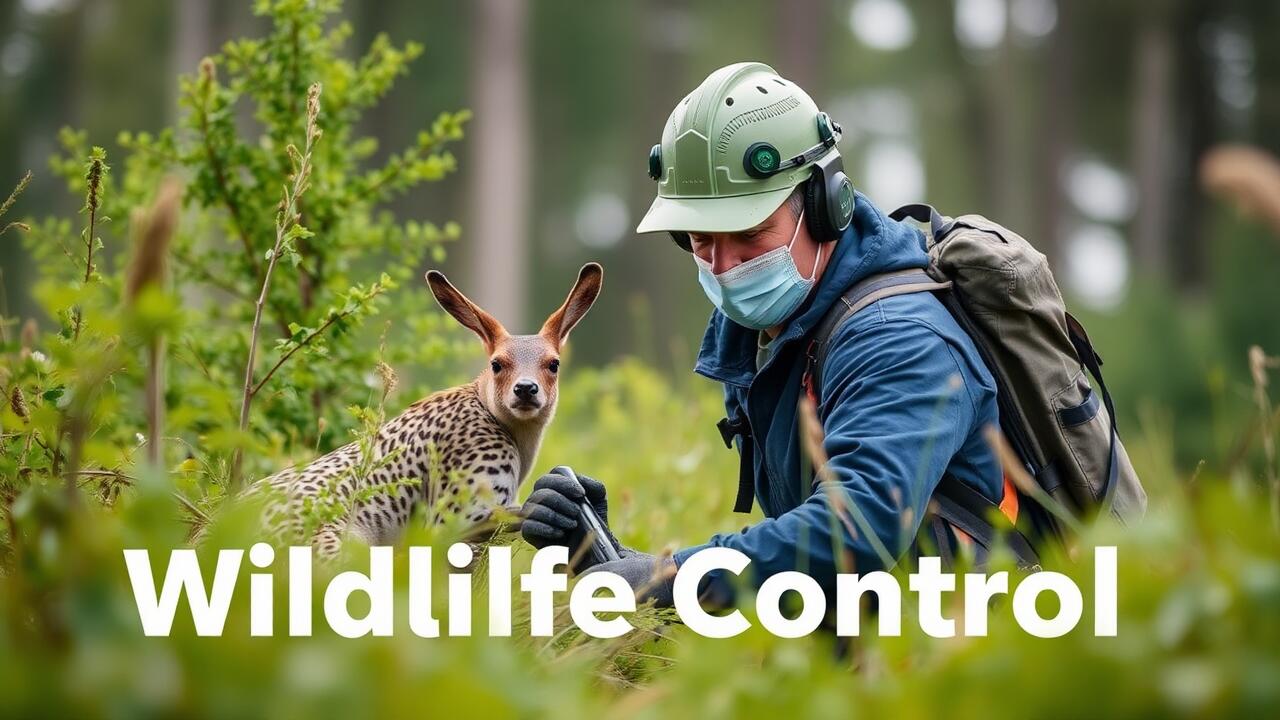
At Premier Pest & Wildlife Control, we specialize in comprehensive wildlife control services designed to safely and effectively manage unwanted animal intrusions in your home or business. Our team of trained professionals employs humane and environmentally responsible methods to capture and relocate wildlife intruders such as raccoons, squirrels, and bats, preventing potential damage to your property and ensuring the safety of your family. We understand that each situation is unique, which is why we offer personalized assessments and tailored solutions to address your specific needs. From initial inspection to long-term preventative measures, you can count on us to restore peace of mind and protect your living space from wildlife disturbances.
Legal Considerations in Wildlife Control
Wildlife control involves navigating a complex web of legal considerations. Many regions have specific laws protecting certain species, which affects how a pest control service can handle wildlife issues. For instance, capturing or harming a protected species without appropriate permits can lead to hefty fines or even criminal charges. Compliance with these regulations not only safeguards the wildlife but also protects businesses from legal repercussions. Understanding local ordinances is crucial for any pest control provider to operate lawfully and effectively.
In addition to species protection laws, there are liability considerations that come into play during wildlife control efforts. Companies must ensure their methods do not pose risks to people, pets, or the environment. Proper training and adherence to safety protocols are essential to mitigate any potential hazards during the removal or management of wildlife. Inspections and protocols may also be required to ensure compliance with wildlife management regulations. Being well-versed in these legal frameworks allows pest control services to provide safer and more reliable solutions for their clients.
Understanding Local Regulations
Local regulations play a crucial role in wildlife control practices. Various states and municipalities have established specific laws regarding the treatment and management of wildlife. These regulations often dictate which species can be trapped or removed and the methods that can be employed. Failure to comply with these laws could result in significant fines or legal repercussions for individuals or companies offering pest control services.
Understanding the nuances of these regulations is essential for effective wildlife management. Some areas may require permits for certain types of traps or the relocation of animals. Additionally, restrictions may exist on the time of year when certain species can be managed to ensure preservation during breeding seasons. Consulting with local authorities or specialists can provide clarity and help ensure that wildlife control efforts align with state and local guidelines.
The Role of Professional Services
When wildlife intrudes into urban or suburban areas, a professional pest control service plays a vital role in managing the situation effectively and humanely. Experts in this field are trained to identify different species, understand their behavior, and implement appropriate control measures. Utilizing advanced techniques and equipment, these professionals can assess the extent of the issue, ensuring a thorough evaluation and tailored solution.
Engaging a professional service not only relieves property owners of the burdensome task of wildlife removal but also minimizes potential risks associated with mishandling animals. Professionals are well-versed in local laws and regulations concerning wildlife, which helps ensure compliance and reduces the risk of legal repercussions. Their expertise leads to more efficient and lasting solutions, fostering a safer environment for both residents and the displaced wildlife.
Benefits of Hiring Experts
Expert wildlife control services come equipped with specialized knowledge and experience, allowing them to address a wide range of issues effectively. They can quickly identify the type of wildlife causing problems, assess the severity of the situation, and implement targeted strategies. Their training also includes understanding animal behavior, which aids in safely capturing and relocating animals without harm. This expertise minimizes risks to both humans and animals, ensuring a humane approach to wildlife management.
Another significant advantage of professional services is the ability to avoid potential legal issues. Many local regulations dictate how certain wildlife should be handled, and non-compliance can lead to fines or legal repercussions. By hiring trained professionals, property owners can rest assured that they are following the appropriate guidelines. Moreover, experts often provide ongoing support and advice, helping clients to prevent future infestations through effective exclusion and habitat modification strategies.
Eco-Friendly Wildlife Management
Managing wildlife in a manner that prioritizes the environment is increasingly important. More homeowners and businesses are seeking humane methods to address wildlife issues. This includes employing strategies that minimize ecological disruption while effectively preventing conflicts. Utilizing integrated pest management techniques allows for a balance between protecting local fauna and addressing human concerns about pests.
Sustainable practices in wildlife control often involve habitat modification, exclusion techniques, and the use of non-lethal deterrents. By altering environments to make them less appealing to wildlife, property owners can reduce the chances of unwanted animal intrusions. Additionally, using repellents made from natural ingredients helps maintain the ecosystem's integrity while addressing pest concerns. These approaches not only protect wildlife but also promote a healthier relationship between humans and nature.
Sustainable Practices for Control
Sustainable wildlife management emphasizes techniques that minimize harm to both the environment and animal populations. Integrated pest management (IPM) is a key approach in this field, combining biological, cultural, and mechanical strategies. By utilizing non-toxic repellents, traps, and habitat modification, it aims to create an effective barrier against unwanted wildlife while promoting ecological balance. Engaging in habitat alteration, like removing food sources or nesting areas, can deter species without resorting to lethal measures.
Additionally, fostering an understanding of animal behavior enhances sustainability. Knowledge about seasonal patterns and breeding habits allows for more strategic control methods that align with wildlife's natural cycles. Community involvement plays a crucial role in this approach, as public education initiatives can help reduce human-wildlife conflicts. By encouraging responsible practices, such as securing garbage and using wildlife-proof fencing, the reliance on chemical solutions is diminished, leading to a healthier interaction between humans and their environment.
FAQS
What is wildlife control?
Wildlife control refers to the management and regulation of wild animal populations to prevent them from causing damage to property, posing health risks, or disrupting local ecosystems.
Are there legal regulations for wildlife control?
Yes, wildlife control is subject to local, state, and federal laws that govern the management of wildlife species. It’s important to understand these regulations before taking any action.
What are the benefits of hiring professional wildlife control services?
Hiring professionals offers expertise in humane wildlife removal, knowledge of local regulations, and effective strategies to prevent future infestations, ensuring safety for both people and animals.
How can I ensure that wildlife control methods are eco-friendly?
Look for services that prioritize sustainable practices, such as humane trapping, habitat modification, and natural repellents, as well as those that adhere to local environmental regulations.
What should I do if I encounter a wild animal on my property?
It’s best to keep a safe distance and avoid approaching the animal. If it poses a risk or is causing damage, contact a professional wildlife control service to handle the situation safely.