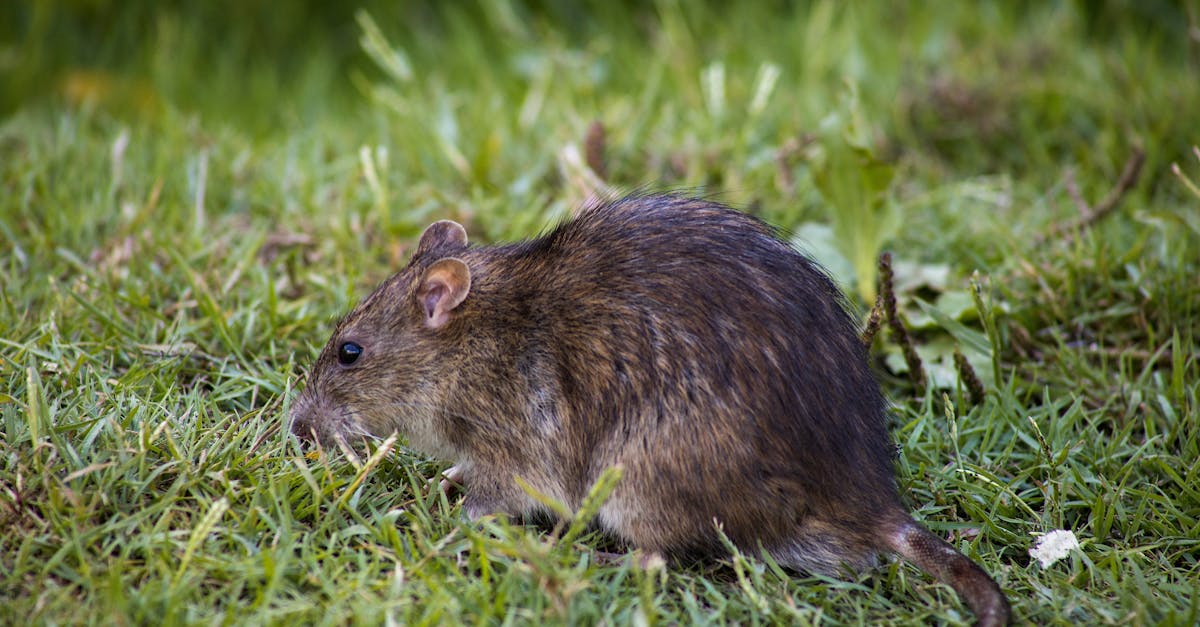
Poisoning Methods
Poisoning methods for rodent control often involve the use of anticoagulant and non-anticoagulant poisons. Anticoagulants prevent blood from clotting, leading to fatal internal bleeding in rodents over a period of time. Non-anticoagulants may deliver a more immediate effect, causing a swift end to the rodent's life. Both methods have their specific applications and are chosen based on the severity of the infestation and the environment surrounding the area needing control.
It is essential to apply these poisons responsibly to minimize risks to non-target species and humans. Proper placement of bait stations is crucial, involving locations that are inaccessible to pets and children. Follow local regulations and guidelines when using rodenticides, as improper use can lead to unintended consequences. Effective rodent control ensures that the safety of surrounding inhabitants is maintained while addressing pest issues.
Safety Considerations in Rodent Poisoning
When implementing poisoning methods for rodent control, safety should be the top priority. Rodenticides can pose significant risks, not only to the target pests but also to humans and pets. It is essential to follow label instructions meticulously to minimize accidental exposure. Securing the poisoned bait in tamper-resistant stations can help limit access by non-target animals and children. Proper disposal of expired or unused rodenticides is also vital to prevent environmental contamination and safeguard other wildlife.
In addition to employing safe handling practices, homeowners should consider the specific environment where rodent control measures are applied. Indoor areas, especially kitchens and storage spaces, require thorough cleaning and maintenance to avoid attracting rodents. If poisoning is necessary, careful placement of bait within inaccessible areas significantly reduces unintended harm. Understanding both the short and long-term effects of the chosen rodenticide can aid in making informed decisions that prioritize household safety alongside effective pest management.
Professional Rodent Control Services
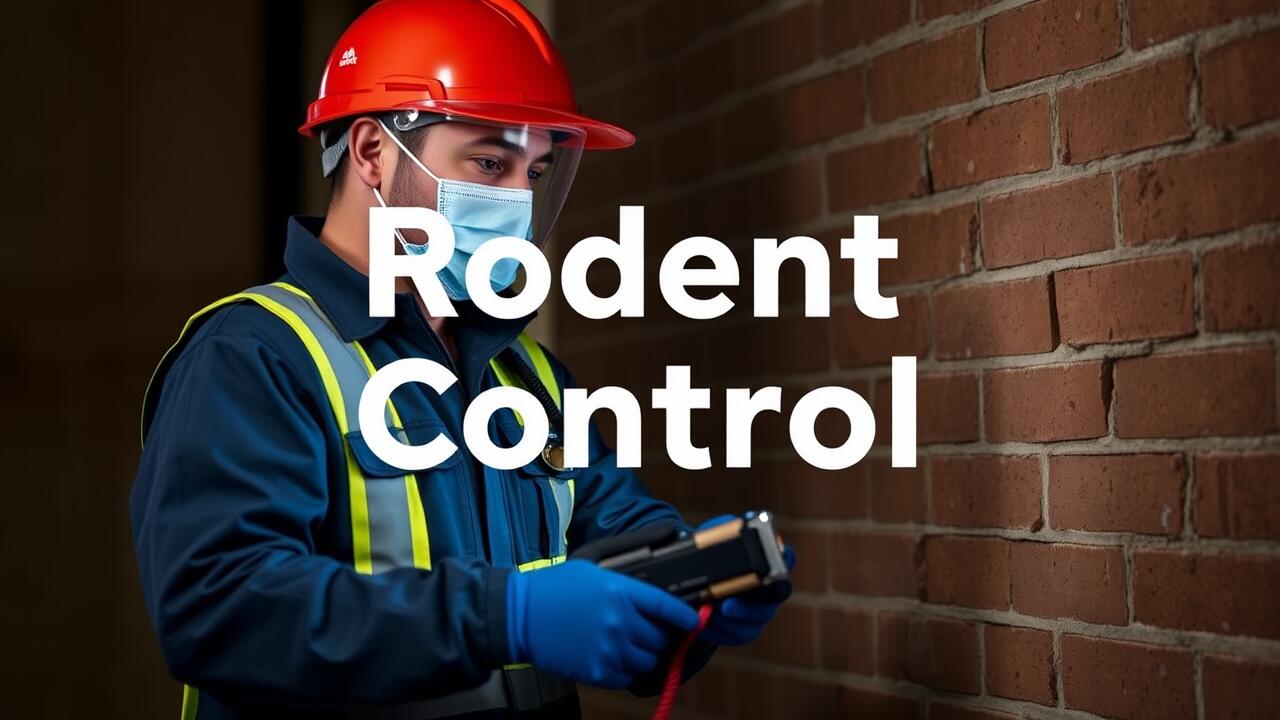
Professional rodent control services offer a comprehensive approach to managing infestations. These services typically involve skilled technicians who assess the extent of the problem. They then implement tailored strategies, combining traps, baiting, and exclusion methods to eliminate rodents effectively. Regular inspections ensure that potential entry points are sealed to prevent future infestations.
Using professional rodent control not only addresses immediate concerns but also provides long-term solutions. Experts are trained to recognize signs of rodent activity and understand the behavior of various species. They will also educate homeowners on best practices for maintaining a rodent-free environment. This proactive stance is essential for sustainable rodent control and reducing health risks associated with these pests.
When to Call in the Experts
Determining when to call in the experts for rodent control is crucial for effective management of the problem. If you notice signs of a significant infestation, such as droppings, chewed wires, or nesting materials, it's advisable to seek professional help. DIY methods may provide temporary relief, but they often fail to address the root cause of the issue. Additionally, if you have pets or small children in your household, the potential risks associated with handling rodent control methods increase, making professional intervention a safer choice.
Another indication that professional rodent control services are needed is when you encounter persistent issues despite your efforts. If traps or deterrents do not yield results over a few weeks, it may be time to call in specialists. They have access to advanced tools and techniques that are more effective than conventional methods. Furthermore, professionals can identify entry points in your home and offer guidance on preventive measures to ensure rodents do not return.
Natural Rodent Control Solutions
Natural rodent control solutions offer effective alternatives to chemical methods, focusing on environmentally friendly practices. These methods can include incorporating natural repellents like essential oils, which are known to deter rodents due to their strong scents. Additionally, maintaining cleanliness in and around the home plays a crucial role in prevention. Removing food sources and sealing entry points helps minimize the risk of infestation while promoting a healthier living environment.
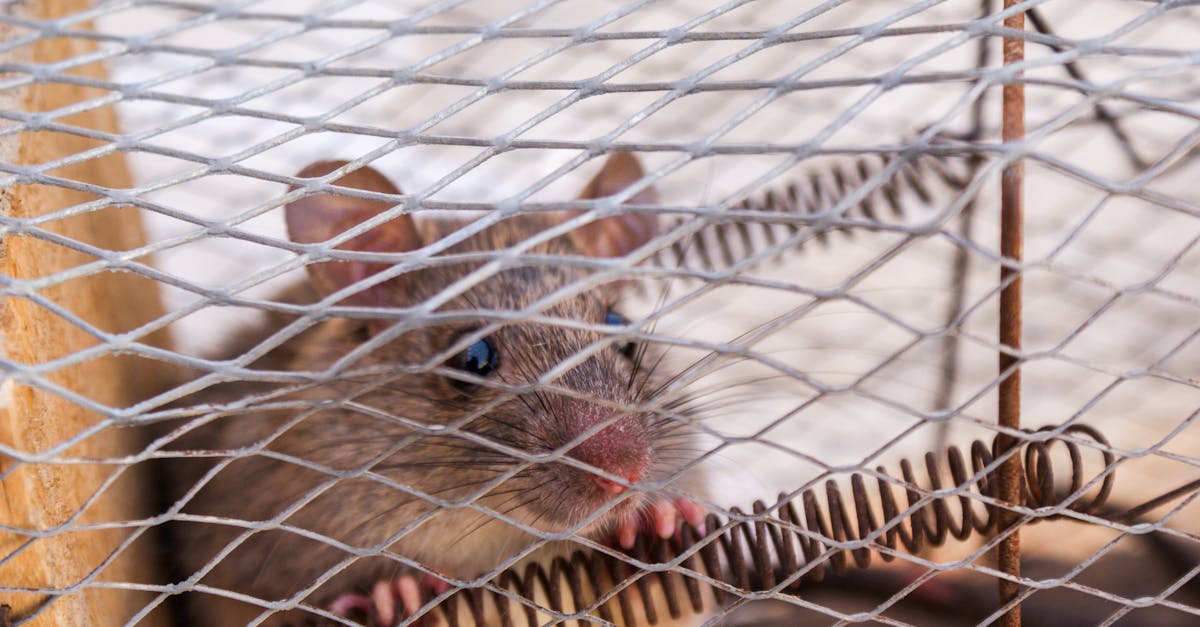
Traps are another natural method of rodent control, with several types available that ensure humane capture. Live traps allow for the safe relocation of rodents, reducing harm to animal populations. Using a combination of these approaches not only supports responsible pest management but also aligns with a growing preference for eco-conscious living. Emphasizing prevention and humane treatment contributes to long-term rodent control, preserving the balance of local ecosystems.
Eco-Friendly Alternatives for Rodent Management
Eco-friendly alternatives for rodent control focus on humane and sustainable methods that minimize harm to the environment. These solutions often involve natural deterrents, such as peppermint oil or vinegar, which rodents typically find unappealing. Additionally, employing traps that capture rodents alive can provide a more compassionate approach. Homeowners can also fortify their living spaces by sealing entry points, reducing food sources, and maintaining cleanliness to naturally deter rodents.
Incorporating natural predatory species, such as barn cats or raptors, can further enhance non-toxic rodent control methods. These animals help manage rodent populations without resorting to chemical interventions. Utilizing plants that repel rodents, such as marigolds or lavender, is another effective strategy. By adopting these eco-friendly approaches, individuals can achieve rodent control while ensuring the preservation of local ecosystems and wildlife.
FAQS
What is rodent control?
Rodent control refers to the methods and practices used to manage and eliminate rodent populations to prevent them from causing harm to health, property, and the environment.
What are the common methods of rodent control?
Common methods of rodent control include poisoning, trapping, and natural deterrents. Each method has its own advantages and can be used based on the severity of the infestation and safety considerations.
Are poisoning methods safe to use around pets and children?
Safety considerations are critical when using poisoning methods for rodent control. It’s important to follow label instructions carefully and consider using tamper-proof bait stations to reduce risks to pets and children.
When should I consider hiring professional rodent control services?
You should consider hiring professional rodent control services when you have a significant infestation, have tried DIY methods without success, or if you need expert advice on the most effective and safe control measures.
What are some eco-friendly alternatives for rodent control?
Eco-friendly alternatives for rodent control include using natural repellents, maintaining cleanliness to deter rodents, sealing entry points, and employing humane traps to capture rodents without harm.