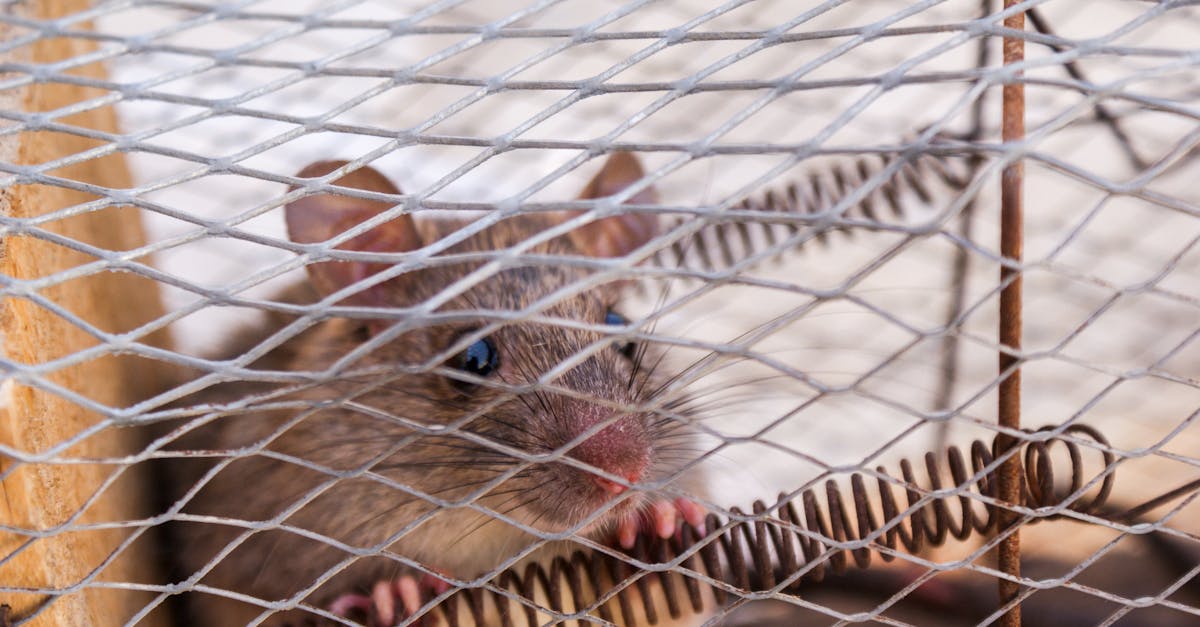
Trapping Techniques for Rodent Control
Trapping techniques play a crucial role in effective rodent control in both residential and commercial settings. Snap traps remain one of the most popular options due to their straightforward design and immediate results. They are designed to quickly and effectively kill rodents upon activation. Positioning these traps along known rodent pathways and near nesting areas increases their effectiveness. Proper bait selection, such as peanut butter or dried fruit, can also enhance the chances of trapping success.
Live traps provide an alternative for those looking to remove rodents without killing them. These traps capture rodents alive, allowing for release away from the property. While this method can be humane, it requires careful handling and awareness of local wildlife regulations. Regular monitoring of both types of traps ensures timely action can be taken. Maintaining a clean environment also deters future infestations, making these trapping techniques an essential aspect of comprehensive rodent control in any setting.
Effective Use of Snap and Live Traps
Snap traps and live traps are popular choices for rodent control in residential and commercial settings. Snap traps work quickly, providing a swift solution to eliminate intrusive rodents. They are easy to set up and can be placed in areas where rodent activity is evident, such as near droppings or gnaw marks. These traps should be regularly checked to ensure that they are functioning properly and to remove any captured rodents promptly.
Live traps offer a more humane approach, capturing rodents alive for relocation. These traps are useful when individuals prefer not to kill rodents but still want to manage the infestation effectively. Proper bait selection, placement, and frequent checking of the traps are essential for success. Regardless of the method chosen, it is important to combine trapping techniques with other pest management strategies for comprehensive rodent control in any environment.
Professional Rodent Control Services
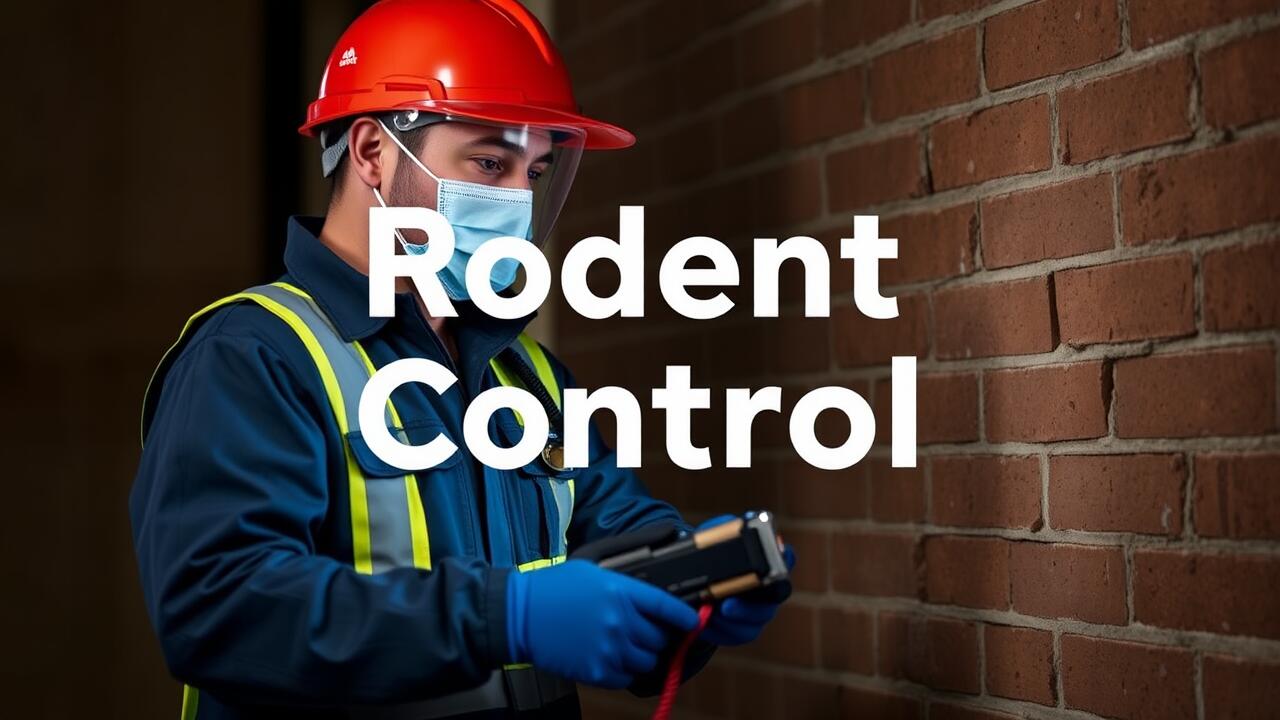
Professional rodent control services offer comprehensive solutions to manage rodent infestations effectively. These specialists conduct thorough inspections to identify entry points, nests, and signs of activity. By understanding the specific conditions that attract rodents, they can tailor strategies that not only eliminate existing populations but also prevent future infestations. Techniques often include a combination of trapping, baiting, and habitat modification to ensure a long-lasting solution.
Hiring a pest control expert can be crucial, especially in severe infestations. These professionals possess the training and experience necessary to handle potentially hazardous situations. They can also provide valuable advice on maintaining a rodent-free environment. Regular follow-ups and monitoring from these services can be an essential part of an effective rodent control in residential and commercial settings. Investing in professional assistance often leads to better results than attempting DIY methods alone.
When to Hire a Pest Control Expert
When dealing with a significant rodent infestation, it may be time to consider professional help. A pest control expert brings specialized knowledge and tools that can effectively address issues beyond DIY techniques. Rodent control in residential areas often requires assessing entry points and nesting sites, which an experienced technician can identify. Prompt action is crucial when there's evidence of rodent activity, as delays can lead to property damage and health risks.
Homeowners should also consider hiring professionals when previous attempts at rodent control have failed. Over-the-counter traps and baits might not provide the desired results. Expert services offer tailored solutions based on the severity of the infestation and specific circumstances unique to each property. Investing in rodent control in commercial settings also ensures compliance with health regulations and safety standards while minimizing disruption to business operations.
Monitoring and Maintenance Strategies
Regular inspections are crucial for effective rodent control in any environment. These inspections help identify signs of rodent activity, such as droppings, gnaw marks, or burrows. By checking regularly, property owners can catch infestations early, making it easier to manage and reduce the rodent population before it becomes a larger issue. Implementing a routine schedule for these checks can significantly enhance the effectiveness of initial pest control measures.
Follow-up treatments play an essential role in maintaining a rodent-free area. After the initial extermination process, continued monitoring ensures that any remaining rodents are dealt with promptly. This proactive approach can also help prevent future infestations. Employing strategies like sealing entry points, reducing clutter, and managing food sources contributes to long-term rodent control in residential or commercial settings.
Regular Inspections and Follow-up Treatments
Regular inspections are essential for effective rodent control in any environment. These inspections should be routine, allowing property owners to identify potential entry points, nesting sites, and signs of rodent activity. By conducting thorough checks of attics, basements, and other vulnerable areas, the likelihood of an infestation can be minimized. It's important to focus on both the interior and exterior of buildings, as rodents can easily find their way inside through small gaps or cracks.
Follow-up treatments are equally important in maintaining a rodent-free space. After an initial control effort, ongoing monitoring helps ensure that any remaining rodents are addressed promptly. This might include re-setting traps, replenishing bait stations, or sealing off newly discovered entry points. Consistency in follow-up efforts strengthens the overall effectiveness of rodent control in residential and commercial settings, ensuring that the issue does not resurface. Adaptation of strategies based on inspection findings leads to improvements in overall pest management practices.
FAQS
What are the most common methods for rodent control?
The most common methods for rodent control include trapping, baiting, and professional pest control services. Trapping can be done using snap traps or live traps, while baiting typically involves using poison or rodenticides.
How do snap traps work for rodent control?
Snap traps work by using a spring-loaded mechanism that quickly snaps shut when a rodent triggers the trap, killing it instantly. They are considered one of the most humane and effective methods for capturing rodents.
Are live traps a humane option for rodent control?
Yes, live traps are designed to capture rodents without killing them, allowing for relocation. However, it is important to check these traps regularly and release the captured rodents in a suitable environment, as they can suffer if left in the trap for too long.
When should I consider hiring a professional pest control service?
You should consider hiring a professional pest control service if you have a significant rodent infestation, if DIY methods are ineffective, or if you prefer to avoid dealing with the risks associated with handling traps and poisons.
What maintenance strategies can help prevent future rodent infestations?
Regular inspections of your property, sealing entry points, keeping areas clean, and setting up traps or monitoring devices can help prevent future rodent infestations. Follow-up treatments may also be necessary to ensure long-term control.