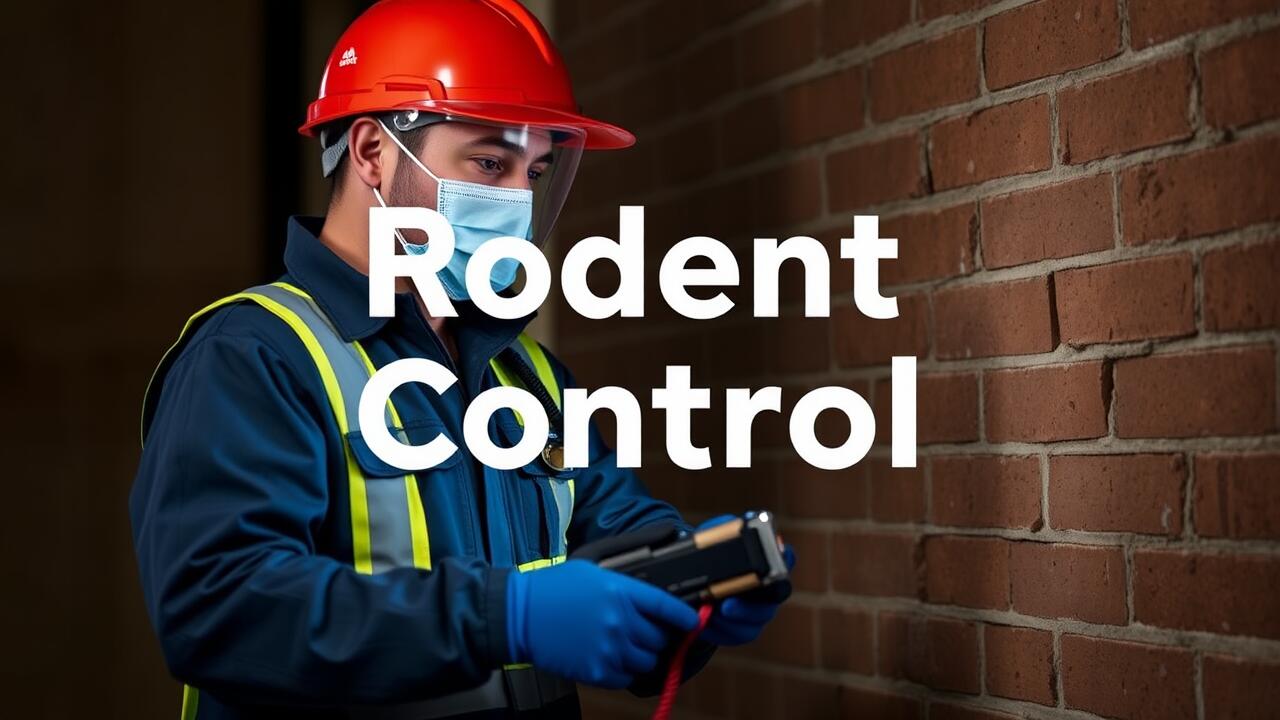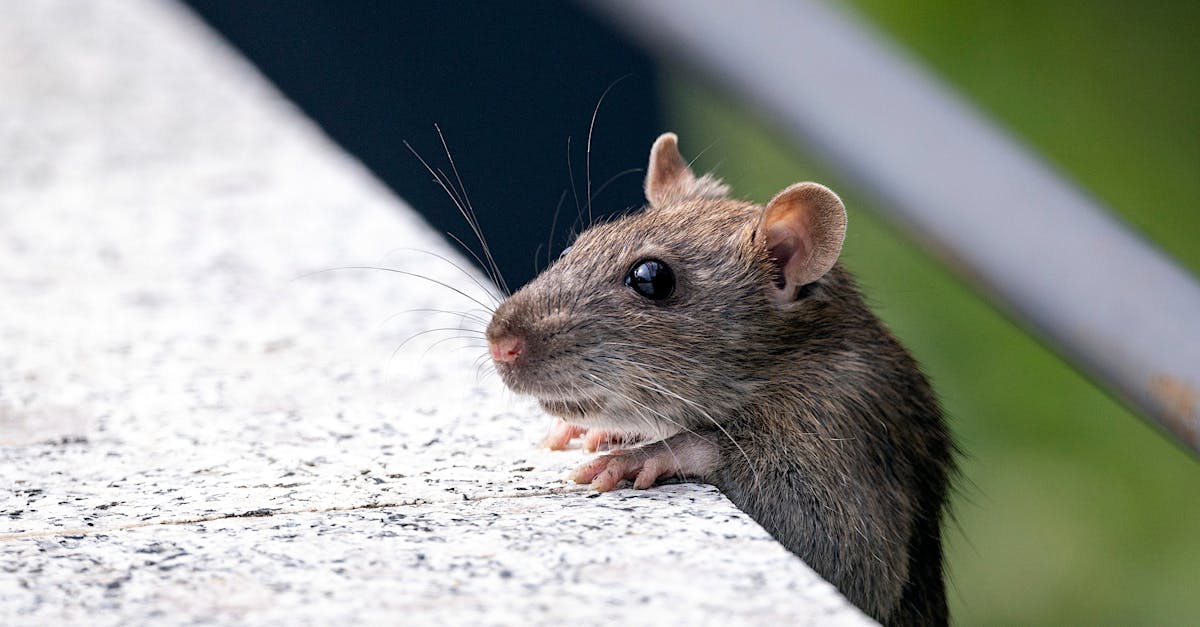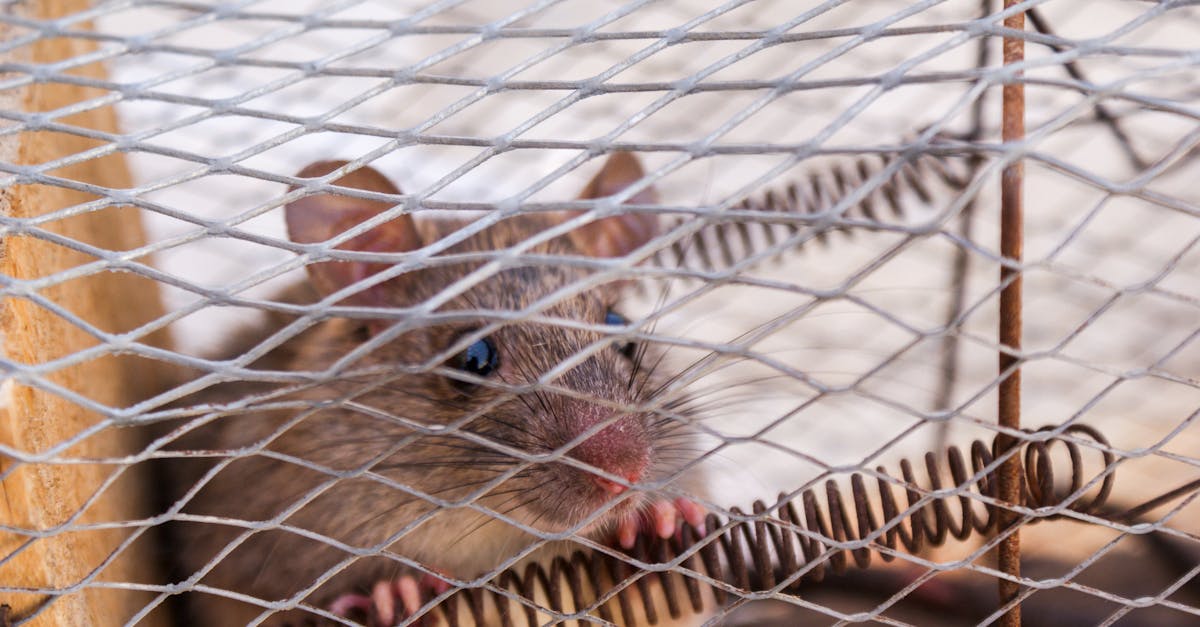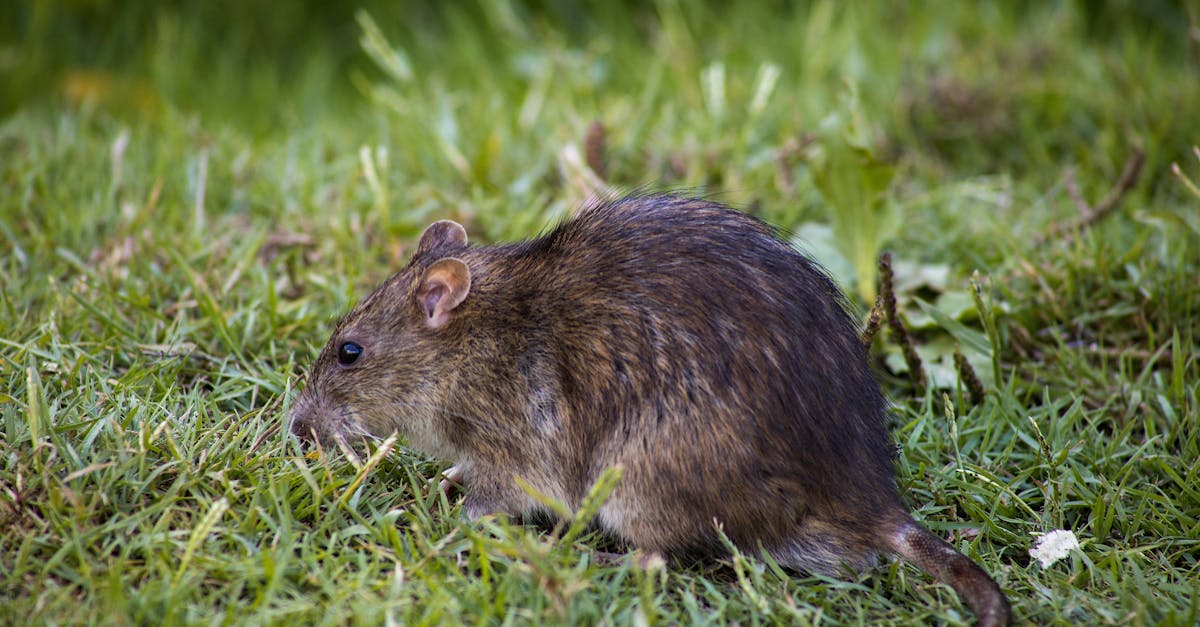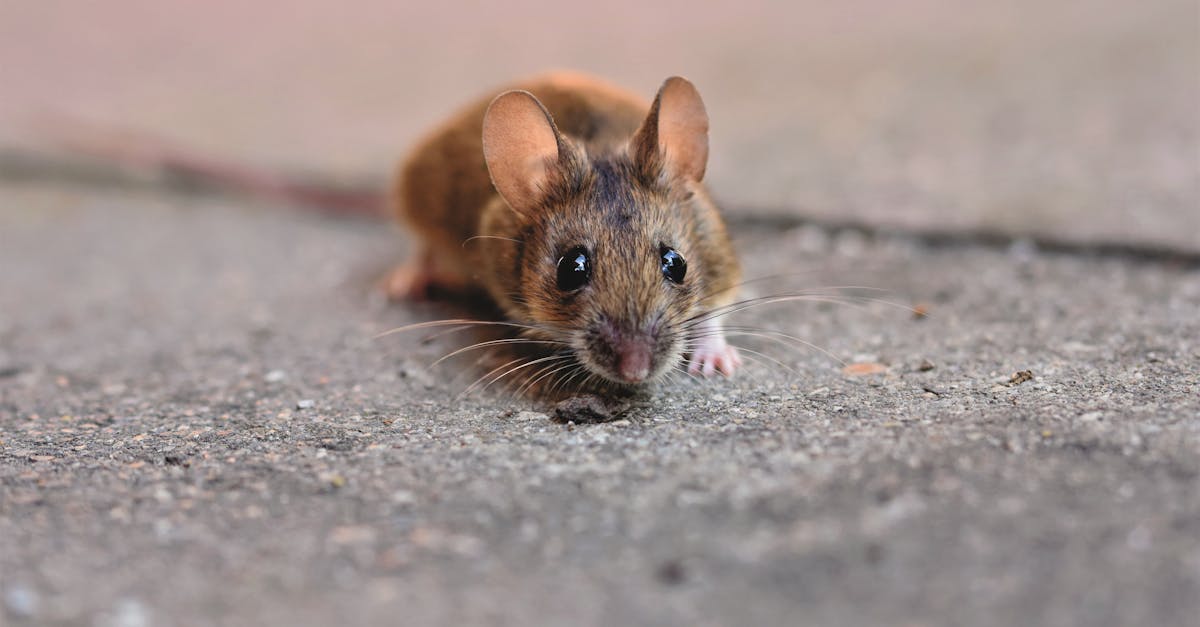
Preventative Measures for Rodent Infestations
Proper rodent control in any environment starts with a strong emphasis on preventative measures. Keeping areas clean and free of food debris is essential in making a property less attractive to rodents. This means not only securing food items in airtight containers but also promptly cleaning up spills and crumbs. Regularly checking waste disposal areas and ensuring they are sealed can significantly reduce the likelihood of rodent attraction.
Another important aspect of prevention involves addressing potential entry points. Inspecting the exterior of buildings for gaps or holes is crucial since rodents can squeeze through surprisingly small openings. Sealing any identified gaps with materials such as steel wool, caulk, or mesh can deter rodents from gaining access. Landscaping considerations also play a role, as maintaining a distance between shrubs and the building’s foundation can minimize hiding spots and discourage rodent presence.
Best Practices to Deter Rodents
Preventing rodent infestations relies heavily on implementing effective best practices. One of the most crucial steps involves sealing entry points around the home or business. Gaps and cracks in walls, doors, and windows serve as convenient access for rodents. Professionals recommend using materials such as steel wool or caulk to block these openings. Additionally, maintaining a clutter-free environment reduces hiding places and potential nesting sites, which can further dissuade these pests.
Another vital aspect of Rodent Control in any setting is the management of food resources. Storing food in airtight containers is essential, as rodents are adept at finding even the smallest crumbs. Regularly cleaning up spills and promptly disposing of garbage prevents attracting rodents to your living or work area. By adopting these proactive measures, property owners can significantly diminish the likelihood of experiencing a rodent infestation, promoting a healthier and safer environment.
Monitoring and Assessment Techniques
Monitoring rodent activity is crucial for effective rodent control in any environment. Professionals utilize a variety of techniques to assess the presence and extent of rodent infestations. This includes setting up bait stations or traps in strategic locations to gauge activity levels. Inspecting areas for signs of droppings, gnaw marks, and nests helps in identifying hotspots. Regular monitoring ensures that any increase in activity is detected quickly, allowing for prompt intervention.
Professionals also employ technology and tools to enhance their monitoring efforts. Cameras and motion sensors can provide real-time insights into rodent movement. Tracking software may be used to analyze patterns of invasion, assisting in the identification of entry points. These assessment techniques play a vital role in developing a comprehensive rodent control in both residential and commercial settings, facilitating long-term solutions tailored to the specific needs of the property.
How Professionals Evaluate Rodent Activity
Professionals utilize a range of techniques to evaluate rodent activity effectively. They often conduct thorough inspections of residential and commercial properties, looking for signs such as droppings, gnaw marks, and nesting materials. These indicators help to identify potential entry points where rodents may be gaining access and reveal the extent of any existing infestations. With this groundwork laid, the effectiveness of various rodent control strategies can be better assessed.
In addition to physical inspections, professionals may employ monitoring tools like traps and bait stations. These devices help gauge the population and movement patterns of rodents within a given area. By analyzing data collected over time, experts can make informed decisions about the most effective rodent control measures to implement. This comprehensive approach to evaluating rodent activity is essential for successful rodent control in both urban and rural environments.
The Importance of Sanitation in Rodent Control
Sanitation plays a crucial role in effective rodent control in both residential and commercial settings. Maintaining a clean environment significantly reduces the availability of food sources that attract rodents. Proper waste management and regular cleaning of food preparation areas help eliminate potential nesting sites. When surfaces are kept free from crumbs and spills, rodents are less likely to invade.
Additionally, clutter removal contributes to a more effective rodent control in any space. Rodents are known for seeking shelter in hidden or cluttered areas. By organizing storage areas and removing unnecessary items, property owners can limit potential hiding spots. Regular inspection and upkeep of both indoor and outdoor environments further enhance the effectiveness of rodent control measures.
Cleaning and Maintenance to Minimize Risks
Regular cleaning and maintenance are essential components of effective rodent control in both residential and commercial settings. By eliminating food sources and nesting materials, property owners can significantly reduce the likelihood of attracting rodents. This includes promptly addressing spills and removing clutter that can provide hiding spots. Ensuring that trash cans are tightly sealed and clean will discourage rodent activity in the vicinity.
In addition to hygiene practices, routine inspections of the premises can help identify potential entry points and areas at risk for infestations. Keeping exterior areas free from debris and properly maintaining landscaping can create a barrier against rodents. Regular maintenance checks, including sealing cracks in walls and repairing damaged screens, contribute to long-term rodent control in any environment.
FAQS
What are some common preventative measures for rodent infestations?
Common preventative measures include sealing entry points, maintaining cleanliness, and reducing clutter where rodents can hide.
How do professionals monitor rodent activity?
Professionals often use tracking devices, bait stations, and visual inspections to assess the level of rodent activity in an area.
Why is sanitation important in rodent control?
Sanitation is crucial because it removes food sources and nesting materials that attract rodents, making environments less hospitable for them.
What best practices can deter rodents from entering a property?
Best practices include securing trash bins, trimming vegetation away from buildings, and using rodent-proof materials for construction.
How can cleaning and maintenance minimize rodent risks?
Regular cleaning and maintenance help eliminate potential nesting sites and food sources, significantly reducing the likelihood of rodent infestations.