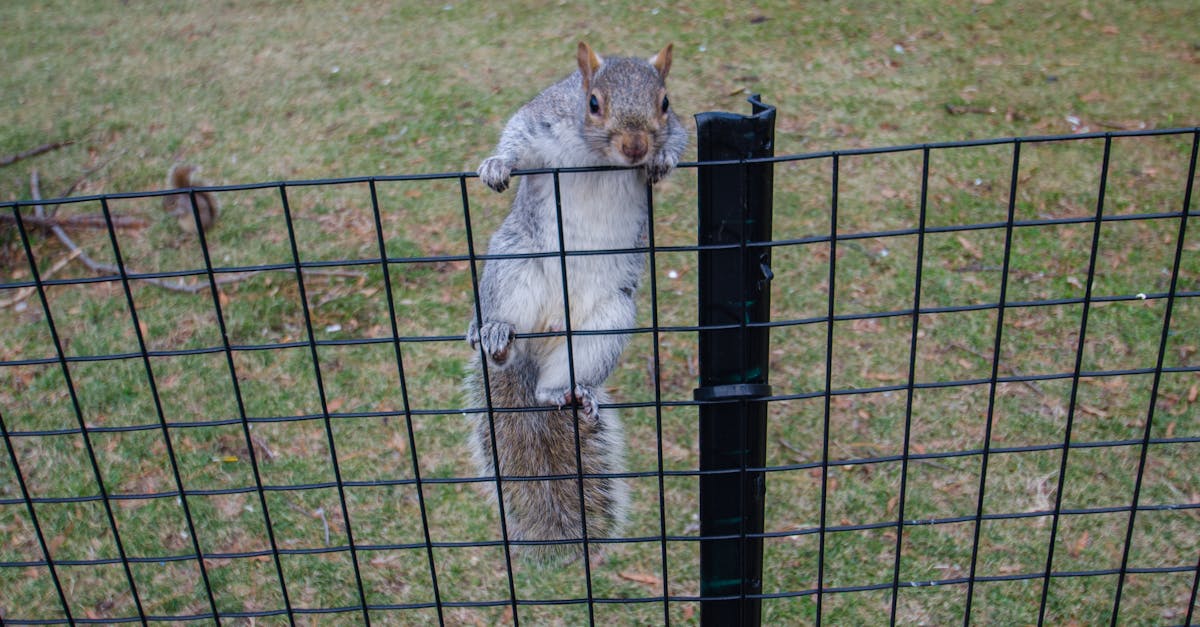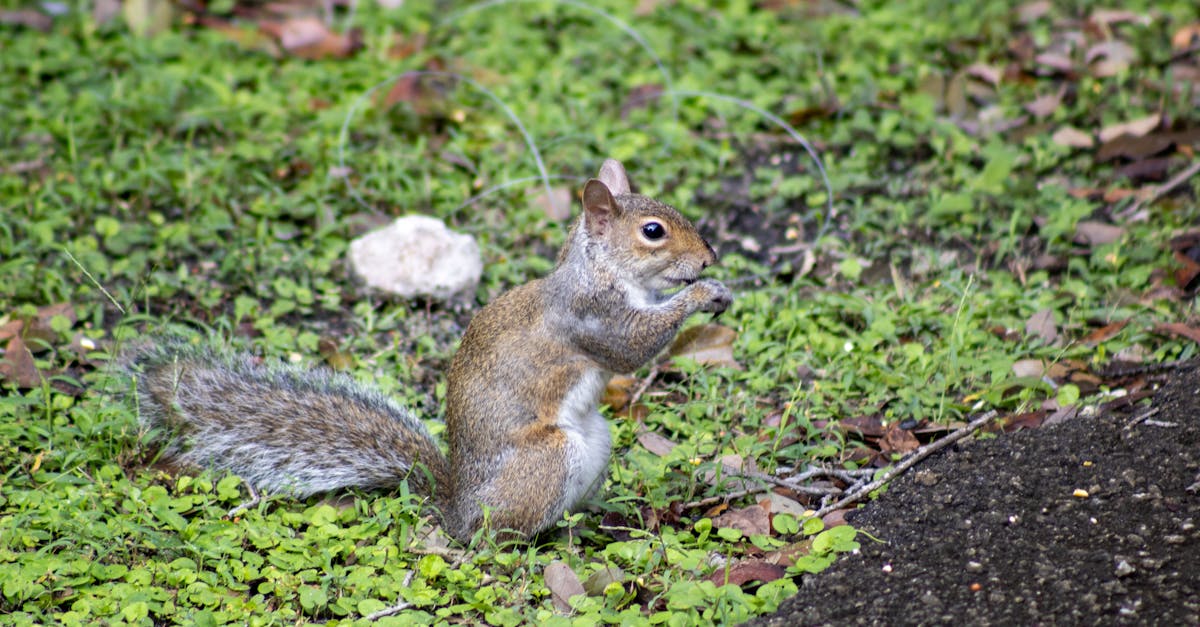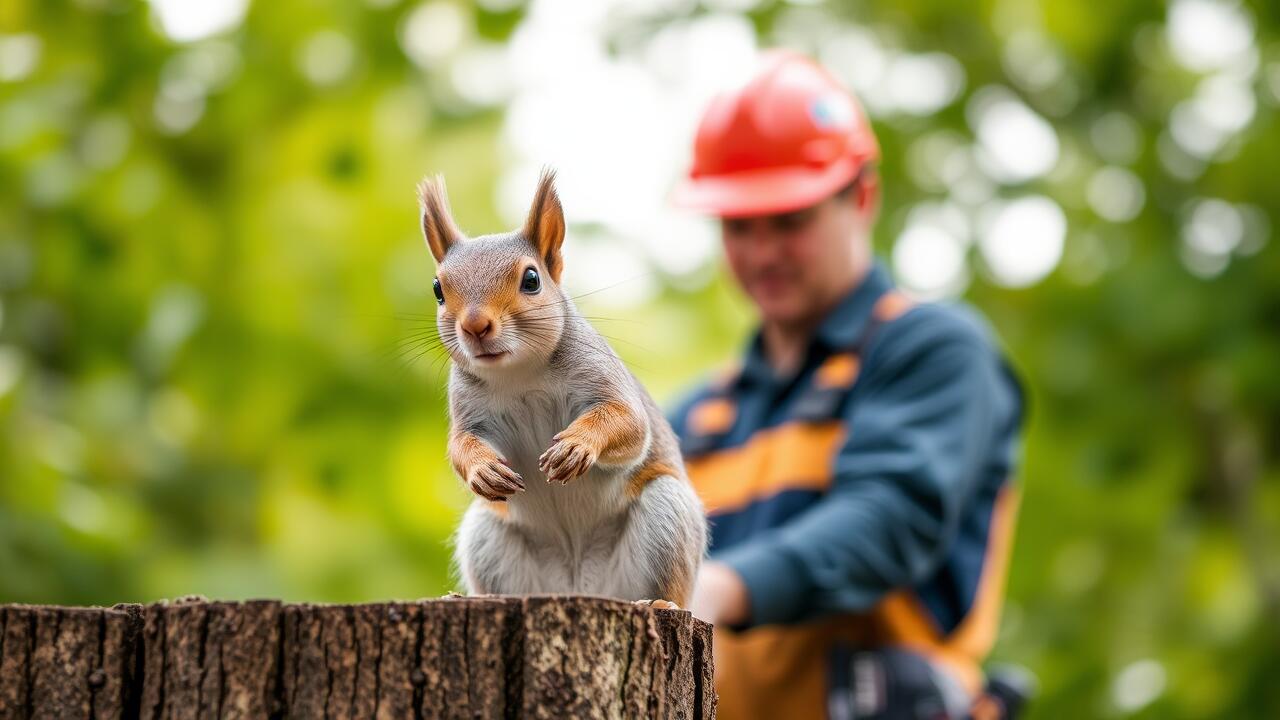
At Premier Pest & Wildlife Control, our Squirrel Control service is designed to effectively manage and mitigate squirrel infestations in both residential and commercial properties. We understand that squirrels can cause significant damage by gnawing on structures, wires, and insulation, as well as creating unsightly messes. Our team of trained professionals employs humane and environmentally-friendly methods to not only remove squirrels but also prevent them from returning. We conduct thorough inspections to identify entry points and nesting sites, educate clients on ways to deter these pests, and provide ongoing support to ensure a long-term solution. With Premier Pest & Wildlife Control, you can trust that your property will be squirrel-free and protected from future intrusions.
Professional Pest Control Services
Pest control services offer specialized expertise in identifying and addressing squirrel infestations. Technicians are trained to recognize the signs of squirrel activity, which may include nesting in attics or chewing on electrical wires. Through thorough inspections, they can determine the extent of the problem and implement strategies tailored to each situation, ensuring a comprehensive approach to removal and prevention.
Utilizing advanced techniques and tools, these professionals can resolve squirrel issues efficiently. Their knowledge of squirrel behavior allows them to employ safe and humane traps, minimizing harm to both the animals and the surrounding environment. Additionally, expert services often include recommendations for sealing entry points and making properties less attractive to squirrels in the future, promoting long-term solutions rather than temporary fixes.
Benefits of Hiring Experts for Squirrel Issues
Dealing with squirrel infestations requires a combination of knowledge, experience, and specialized tools. Professionals in pest control are trained to assess the situation effectively and identify the underlying causes of squirrel activity. They can also determine the most humane and effective removal strategies. This expertise reduces the likelihood of recurrence, allowing homeowners to feel secure in their environment.
Safety is another significant advantage when hiring experts to handle squirrel issues. Squirrels can pose risks not only through potential property damage but also through diseases they may carry. Pest control services employ industry-standard practices that prioritize both human and animal safety. Their use of professional-grade materials ensures that the removal process is conducted with care, minimizing risks to the residents and other wildlife.
Do-It-Yourself Squirrel Management
Managing squirrels on your property can be a challenging endeavor that requires persistence. Observing squirrel behavior is a crucial first step. Understanding when and where these animals frequent your yard will help determine the most effective removal strategies. Setting up traps and using repellents may be effective. Electric fences and natural deterrents like predator urine can also discourage squirrels from nesting in your garden or attic.
Safety should always be a priority when dealing with wildlife. Wearing gloves during any interaction minimizes the risk of disease transmission. Ensure that any traps are humane and comply with local laws to prevent unnecessary suffering. Regular checks of traps are essential to avoid leaving any animal in distress for long periods. It’s also vital to seal entry points around your home to prevent future infestations once you’ve managed the current issue.
Tools and Materials for Squirrel Control
When addressing a squirrel infestation, having the right tools and materials is essential. A sturdy pair of gloves should be worn to protect against bites or scratches while handling traps and materials. Live traps designed specifically for squirrels can be highly effective, allowing for safe capture without harming the animal. Other useful tools include bait such as peanut butter or sunflower seeds, which can lure squirrels into traps. Additionally, a ladder may be necessary to inspect nesting areas, especially if squirrels are accessing attics or rooftops.
In some cases, exclusion materials are needed to seal off entry points. Hardware cloth or wire mesh can be used to close gaps and prevent squirrels from returning. A heavy-duty caulk can be employed to patch smaller holes. It's also advisable to have tools for cutting and securing these materials, such as scissors or pliers. Having a thorough kit ready ensures that you can tackle the infestation efficiently and effectively while minimizing potential damage to your property.
Legal Considerations in Squirrel Removal
When dealing with squirrel removal, it's crucial to be aware of local wildlife protection laws. Many regions classify squirrels as protected species, which can restrict the methods used for their removal. Violating these laws may result in hefty fines and potential legal repercussions. Understanding the specific regulations in your area will guide whether you can trap, relocate, or euthanize these animals, and what permits may be necessary for intervention.
Additionally, humane methods of dealing with squirrels are often encouraged or mandated. Non-lethal approaches, such as exclusion and habitat modification, aim to discourage squirrels from invading properties without causing harm. Utilizing professional services can help ensure compliance with legal guidelines while also employing the most effective strategies to manage squirrel populations responsibly. Taking these considerations into account can lead to a more ethical and legally compliant approach to pest control.
Understanding Wildlife Protection Laws
Many states have specific wildlife protection laws that govern the treatment of squirrels and other animals. These regulations often require humane methods for removal and relocation of squirrels, emphasizing the importance of treating wildlife with respect. Violating these laws can lead to fines or legal action. It is essential for homeowners to familiarize themselves with local statutes before attempting any form of squirrel control.
Additionally, certain permits may be necessary for the capture or relocation of wildlife. Understanding the legal framework surrounding wildlife can help individuals make informed decisions about pest control methods. Consulting with a licensed pest control service can ensure compliance with these laws while effectively managing squirrel populations. These professionals are typically knowledgeable about the latest regulations and can provide guidance on best practices for wildlife handling.
FAQS
What are the signs that I have a squirrel infestation in my home?
Common signs of a squirrel infestation include noises in the attic or walls, visible chewing marks on wood or wires, droppings, and nests made of leaves or insulation.
Why should I hire professional pest control services for squirrel issues?
Hiring professionals ensures that the problem is addressed effectively and safely. They have the expertise, tools, and knowledge of local laws to handle squirrel removal without causing harm to the animals or your property.
What can I do myself to manage squirrels in my yard?
You can use traps, install squirrel-proof bird feeders, seal entry points to your home, and eliminate food sources by cleaning up fallen fruit or nuts.
Are there legal restrictions on removing squirrels from my property?
Yes, many areas have wildlife protection laws that regulate the removal of squirrels. It's important to check local regulations before attempting to remove squirrels to ensure compliance with the law.
What tools and materials do I need for effective do-it-yourself squirrel control?
Essential tools for DIY squirrel control may include traps, gloves, a ladder, sealants for closing entry points, and deterrent sprays. Always follow instructions carefully to ensure safety and effectiveness.