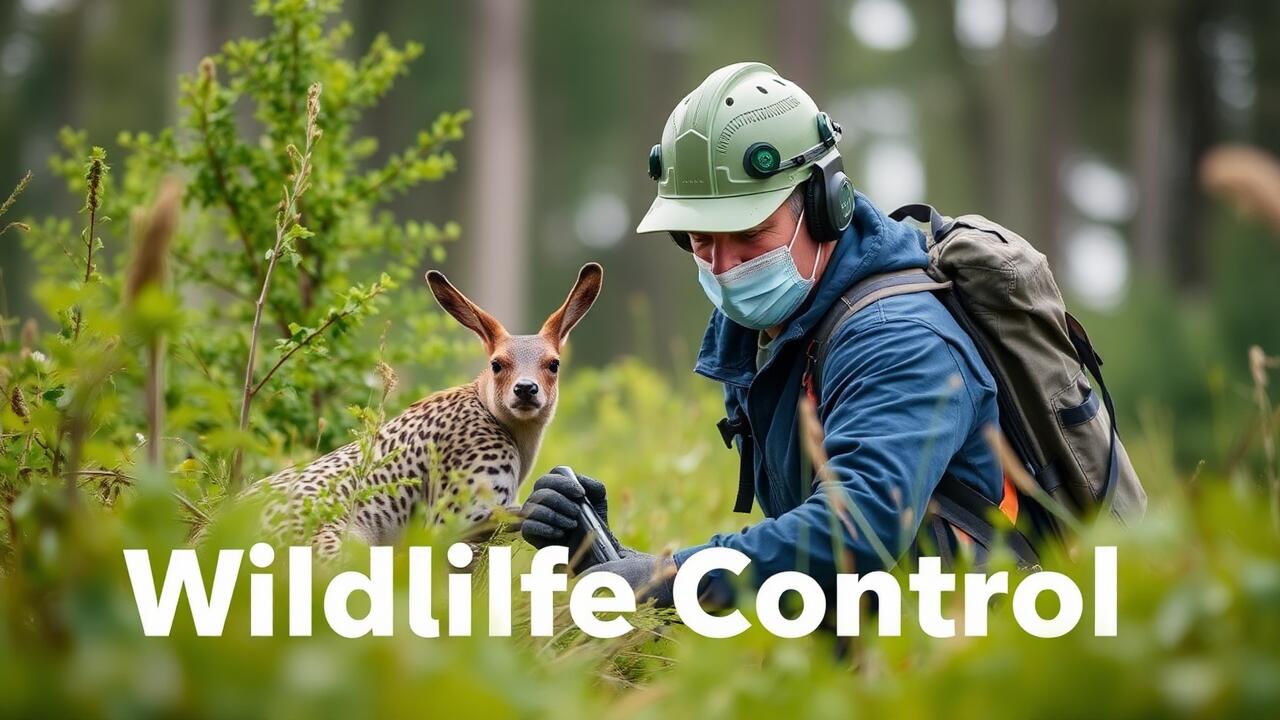
Wildlife Encounters
Wildlife encounters can be both fascinating and concerning. Many people enjoy observing animals in their natural habitat. However, when wild animals invade residential areas, they can pose risks to safety and property. Encounters with animals such as raccoons, foxes, and even deer may lead to damage or health concerns. In such cases, seeking assistance from wildlife control can be necessary to address any potential threats.
Homeowners should remain vigilant when it comes to wildlife around their properties. Feeding pets outside and leaving garbage unsecured are actions that can attract unwelcome visitors. If wild animals become a recurrent issue, local wildlife control services can provide solutions for humane removal and prevention strategies. Understanding when to call these services is crucial for maintaining a safe living environment.
Dealing with Wild Animals Near Your Home
Encountering wild animals near your home can be unsettling for many residents. These animals may pose safety risks or damage property. It's essential to remain calm and assess the situation before making any decisions. If a wild animal appears injured, sick, or aggressive, contacting professional Wildlife Control is advisable to manage the situation safely. Familiarizing yourself with the types of wildlife common in your area can also help you respond appropriately and avoid unnecessary confrontations.
The presence of wildlife can lead to various concerns, especially if animals begin to invade yards or nests in attics. Taking preventative measures, such as securing garbage cans and fencing gardens, can minimize these encounters. If wildlife issues persist or escalate, engaging with Wildlife Control ensures that trained professionals handle the matter effectively. They can provide guidance on managing wildlife interactions and help maintain a safe environment for both residents and animals.
Legal Obligations of Pet Owners
Pet owners have specific legal obligations that vary by state and local jurisdiction. Many areas require pets to be licensed and vaccinated, ensuring the health and safety of both the animals and the community. Adhering to leash laws is equally important; uncontrolled pets can pose dangers to wildlife and other pets. When issues arise, it is often necessary for owners to demonstrate responsible pet ownership to prevent conflict with neighbors or wildlife.
When a pet becomes a nuisance, owners may face legal consequences. If an animal consistently escapes or causes damage, local authorities could take action. Wildlife Control agencies may also become involved if a pet poses a threat to local wildlife or if the situation escalates. Understanding these responsibilities can help pet owners maintain positive relationships with neighbors while ensuring the well-being of their animals and the surrounding ecosystem.
Local Ordinances and Animal Laws
Local ordinances and animal laws vary by state and municipality, often outlining specific guidelines for animal ownership and wildlife interactions. Many regions have rules in place regarding leash laws, the containment of pets, and the treatment of stray animals. Understanding these local laws is essential for effectively addressing issues related to your neighbor's pets or wildlife encounters in your area. Failing to comply with these regulations can lead to fines or other penalties.
In instances where wildlife is causing problems, knowing your local wildlife control measures can be crucial. Certain municipalities may have designated animal control officers or organizations that handle wildlife issues, such as raccoons or coyotes wandering too close to residential areas. Familiarizing yourself with these resources can help you take appropriate action should a situation arise, ensuring that both your safety and the welfare of the animals are prioritized.
Building a Case for Animal Control
When considering a call to animal control, it is crucial to gather and document evidence of the issues at hand. Keeping a detailed log of incidents is essential. Record dates, times, and descriptions of any troubling encounters, especially if they involve aggressive behaviors from pets or repeated visits from wildlife. Photographs or videos can be valuable in showing the extent of the problem. This thorough documentation will strengthen your case when discussing the matter with animal control representatives.
Approaching the situation with factual information will help ensure that your concerns are taken seriously. Understand the local laws and regulations regarding wildlife control and pet ownership. Familiarizing yourself with these guidelines can provide insight into whether the behavior in question constitutes a violation. This knowledge will not only bolster your arguments during discussions with animal control but also promote a better understanding of your rights and responsibilities as a community member.
Documenting Incidents Effectively
Documenting incidents thoroughly is crucial when considering a call to animal control. Start by keeping a detailed log of any encounters with the animal in question. Record dates, times, and specific behaviors you observed, which can offer valuable insights into the issue at hand. Photographs or videos can also serve as significant evidence, presenting a visual account of the situation. This documentation helps not only in cases involving wildlife but also when reporting problematic pets.
When compiling your documentation, note any interactions with your neighbor about the wildlife or their pets. Keep copies of any correspondence whether written or digital. If possible, gather testimonies from other neighbors who may have witnessed similar incidents. Comprehensive records can assist wildlife control professionals in understanding the extent of the problem and determining the best course of action to address it.
FAQS
What are some common reasons to call animal control on a neighbor?
Common reasons include aggressive or uncontrolled pets, animals that pose a health risk, animal neglect or abuse, and wildlife encroaching on residential areas.
How do I know if an animal is wild or domesticated?
Wild animals typically live independently in natural habitats, while domesticated animals are pets that rely on humans for care. If you see animals acting aggressively or displaying unusual behavior, they may be a threat.
Are there specific laws regarding pets that I should be aware of?
Yes, local ordinances and animal laws vary by area but often include leash laws, noise ordinances, and regulations concerning pet waste. It's important to familiarize yourself with these laws to understand your rights and responsibilities.
What kind of documentation should I keep when reporting an issue to animal control?
Effective documentation can include dates and times of incidents, photographs or videos of the event, written descriptions of what occurred, and any communications with the neighbor regarding the issue.
Will animal control take immediate action when I call?
The response time can vary based on the severity of the situation and the resources of the local animal control agency. They prioritize cases based on urgency, so if there is an immediate threat to safety, they may respond more quickly.