Habitat Modifications
Habitat modifications play a crucial role in bird control in various environments. By altering the landscape, property owners can make their spaces less appealing to birds. This can include trimming trees and bushes that provide nesting sites, as well as removing any food sources like fallen fruits or accessible trash. Alterations to the design and layout of gardens or outdoor areas can further discourage birds from settling in these locations.
Implementing specific features can also assist in bird control in urban settings. Installing physical barriers like bird spikes on ledges or nets over open areas can prevent birds from roosting or nesting. Reflective objects, sound deterrents, and even specific landscaping choices can create an environment that is less inviting to birds. Each modification should be carefully considered to ensure it effectively targets the species of concern while maintaining the overall aesthetic and functionality of the area.
Making Spaces Less Attractive for Birds
To effectively minimize bird presence, it's crucial to make environments less appealing. This involves removing food sources, such as uncovered trash bins or outdoor pet food. Additionally, eliminating standing water can deter birds from congregating. Planting less attractive vegetation, like thorny bushes, can also discourage nesting and feeding. Regular maintenance of outdoor spaces helps ensure that potential nesting sites are kept to a minimum.
Bird Control in any area also benefits from installing physical barriers. Netting or spikes can be placed in areas where birds tend to roost, effectively preventing them from landing. Reflective objects or sound devices may also be used to create an unwelcoming atmosphere. The key is to disrupt their natural behaviors by altering the landscape to suit human needs while keeping birds at bay. Implementing these strategies can significantly reduce unwanted bird activity.
Professional Bird Control Services
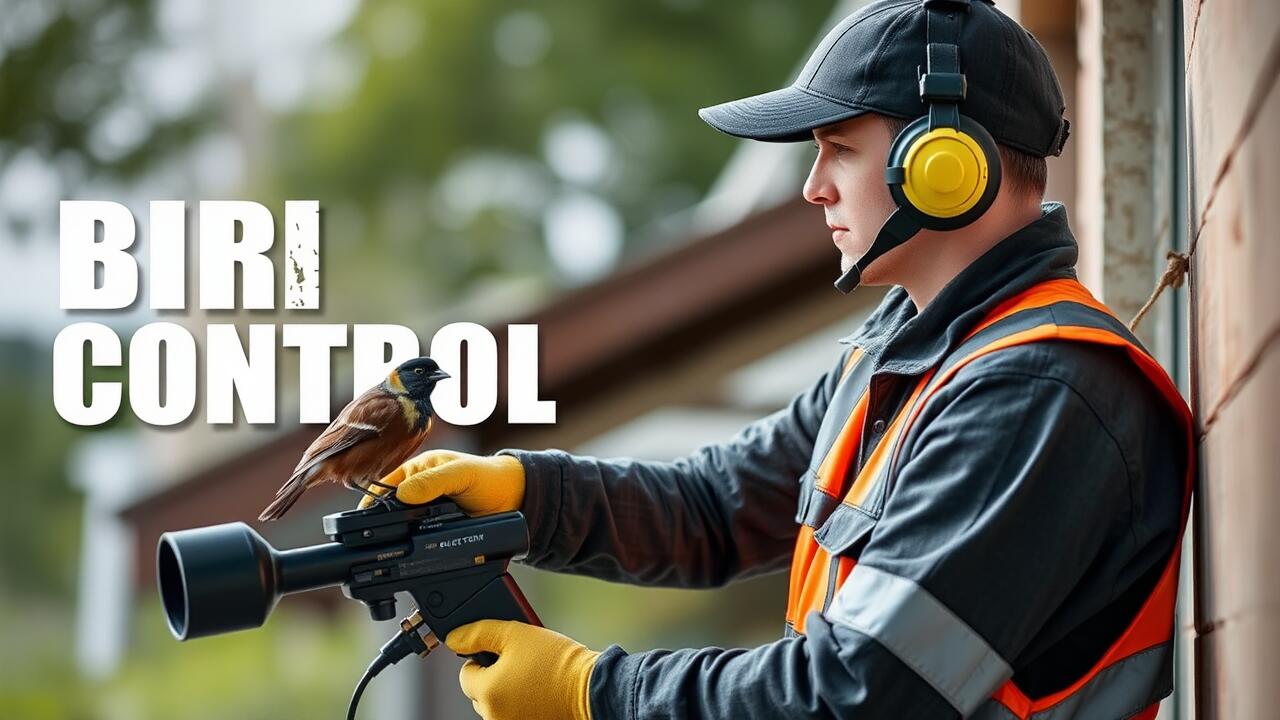
Professional bird control services offer comprehensive strategies tailored to manage and mitigate bird infestations in various environments. These experts utilize a combination of techniques such as exclusion, deterrents, and humane trapping. Their approach focuses on addressing the specific bird species present and the unique challenges posed by different settings, whether commercial, residential, or agricultural. Many services are equipped with the latest technology and methods to effectively manage avian populations while maintaining compliance with regulations.
When engaging with a bird control service, clients can expect a thorough assessment of the property's current bird problems. Professionals will provide recommendations based on their findings, outlining potential solutions and associated costs. Bird control in urban areas may differ significantly from rural settings, and experts adapt their techniques accordingly. This level of customization ensures a more effective and sustainable approach to long-term bird management.
What to Expect from Experts
When engaging a professional bird control service, clients can expect a comprehensive assessment of their property. Experts will identify the specific bird species causing issues and evaluate entry points or nesting areas. This thorough inspection enables them to formulate an effective, tailored strategy for addressing the problem. Solutions may incorporate a combination of physical barriers, sound deterrents, and habitat modifications.
Bird control in urban settings often involves specialized techniques that consider local wildlife regulations. Professionals are well-versed in the legalities surrounding bird control and will ensure compliance with federal and state laws. This includes understanding which species are protected and what methods can be utilized. By adhering to these regulations, experts not only provide effective solutions but also safeguard the environment and community interests.
Legal Considerations in Bird Control
When implementing bird control in various environments, it's essential to understand the legal framework governing wildlife protection. Many species of birds are protected by federal and state laws, which vary depending on the region. It's crucial to familiarize oneself with regulations such as the Migratory Bird Treaty Act, which protects migratory bird species from harm and requires special permits for removal or relocation efforts. Failure to comply with these laws can result in significant fines and legal action.
In addition to federal laws, local ordinances may also dictate specific practices for bird control in urban and rural areas. Some municipalities may have guidelines regarding the use of particular control methods or require notification to wildlife agencies before taking action. Engaging with legal experts or wildlife professionals can help clarify these regulations and ensure that all measures taken align with both legal requirements and ethical standards. Respecting these legal considerations fosters responsible practices and promotes coexistence between humans and bird species.
Understanding Wildlife Protection Laws
Understanding wildlife protection laws is crucial for anyone considering bird control in residential or commercial settings. Various regulations exist at federal, state, and local levels to safeguard certain species that may be protected under the Migratory Bird Treaty Act or similar legislation. Violating these laws can lead to significant penalties, making it essential to identify the types of birds involved before initiating any control measures.
Compliance with legal standards ensures that bird control in any environment aligns with ecological best practices. Consulting with ornithologists or legal experts familiar with wildlife protections can help navigate these complex regulations. Knowing which birds are protected and the appropriate methods for managing their populations allows for responsible conservation while addressing specific issues caused by bird intrusions.
FAQS
What are some habitat modifications to deter birds?
Habitat modifications may include removing food sources, sealing entry points, and altering nesting areas to make them less appealing to birds.
How can I make my outdoor spaces less attractive for birds?
You can use reflective surfaces, noise deterrents, and bird-repelling plants to make your outdoor spaces less attractive to birds.
What should I expect from professional bird control services?
Professional bird control services typically assess your situation, provide tailored solutions, and may offer ongoing monitoring and maintenance to prevent bird-related issues.
Are there legal considerations I need to be aware of when dealing with birds?
Yes, it’s crucial to understand wildlife protection laws, as many bird species are protected and may not be harmed without proper permits or justifiable reasons.
Can I use DIY methods for bird control, or should I hire professionals?
While DIY methods can be effective for minor issues, hiring professionals is recommended for more significant problems to ensure compliance with laws and to utilize effective techniques.