Visual Deterrents
Visual deterrents serve as an effective method for managing excessive bird populations in a given area. These techniques utilize various objects and materials that create an unwelcoming environment for birds. Items such as shiny reflective tape, old CDs, or even wind spinners can catch birds' attention and discourage them from settling in your space. The unpredictability of movement combined with reflections can create a sense of danger, prompting birds to seek alternative locations.
Incorporating scare tactics adds an additional layer of deterrence. Fake predators, such as owl decoys or balloon replicas with exaggerated eyes, can create a perception of threat among the avian population. Strategically placing these items around the area often requires repositioning to maintain their effectiveness, as birds may eventually adjust to static objects. For those dealing with persistent bird issues, investing in visual deterrents as part of a broader Bird Control strategy can help significantly in reducing their presence.
Incorporating Reflective and Scare Tactics
Reflective deterrents can effectively create an unwelcoming environment for birds. Items such as aluminum foil, reflective tape, or old CDs hung in trees or around buildings can reflect sunlight and create flashes that startle birds. The sudden changes in light can disorient them, encouraging them to seek other areas. Additionally, reflective surfaces promote uncertainty in birds, making them less likely to approach your property.
Scare tactics also play a significant role in bird control. Items like scarecrows, plastic owls, or faux predators can mimic the presence of natural threats. Positioning these figures in visible areas helps create an atmosphere that discourages birds from settling down. However, it's essential to change the placement of these decoys frequently to maintain their effectiveness. Birds quickly become accustomed to stationary deterrents, reducing their impact over time.
Habitat Modification
Altering your environment can significantly reduce excessive bird populations. Start by removing or limiting food sources that attract birds. This includes securing trash bins, cleaning up pet food residues, and eliminating bird feeders if they are not necessary. Additionally, consider modifying landscaping to make your yard less inviting. Opt for plants that are less attractive to birds, such as those with thorny branches or foliage that provides less shelter.
Creating environments that are less conducive to nesting is also essential for effective bird control. Block access to potential nesting sites such as eaves, attics, and dense shrubs. Use wooden or metal barriers to discourage birds from setting up their homes in your vicinity. Ensuring that these spaces are secure and unwelcoming can help deter birds from returning and establishing their presence in your area. Implementing these strategies contributes to a more balanced ecosystem and minimizes the chaos caused by excessive bird populations.
Altering Your Environment to Disrupt Nesting
Altering your environment is a key strategy to disrupt nesting. Start by removing any potential nesting sites such as abandoned structures, cluttered areas, or dense vegetation. Trim back bushes and shrubs to create a less inviting habitat for birds. If you have items like birdhouses, consider relocating or removing them altogether. Clearing away debris and maintaining your landscape can make your property less appealing for birds seeking to settle down.
Additionally, consider implementing physical barriers to prevent birds from nesting. Installing things like bird spikes or netting on ledges and eaves can effectively deter birds from making your home their breeding ground. Bird Control practices not only help minimize their presence but also encourage them to explore alternative locations. Creating a less hospitable environment will promote a peaceful coexistence while discouraging excessive bird habitation.
Professional Assistance
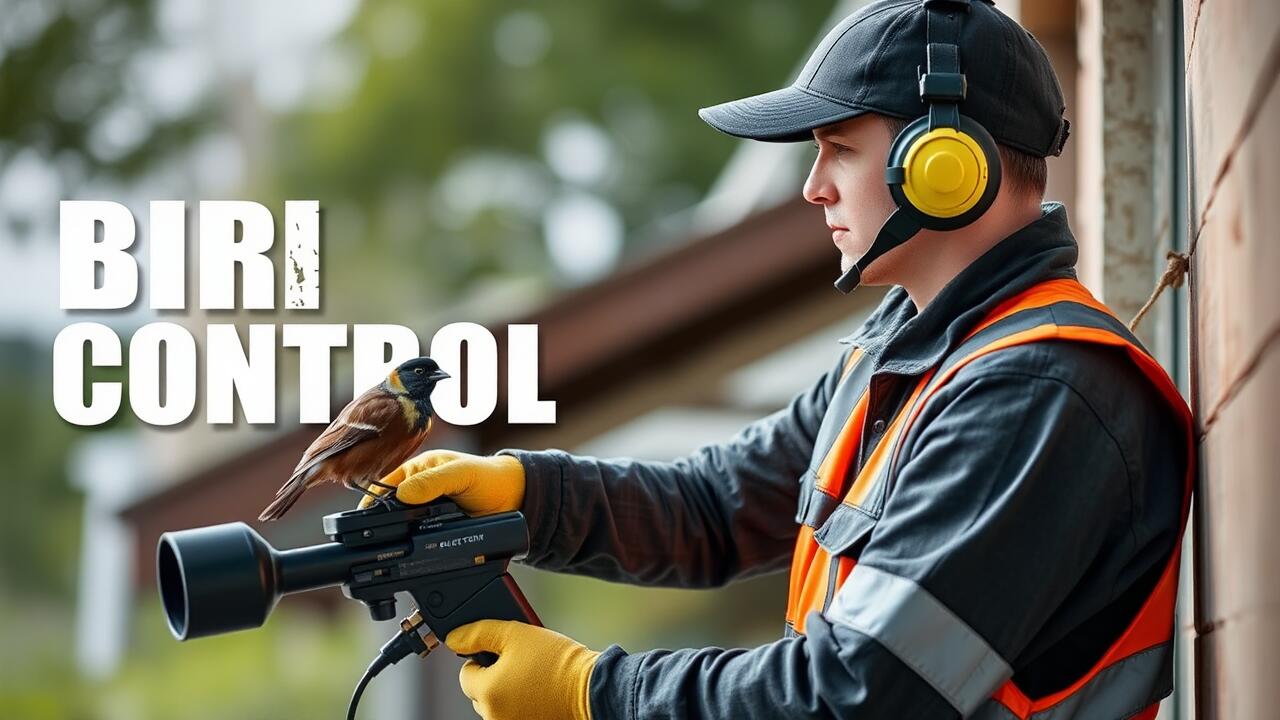
When dealing with excessive bird populations, sometimes DIY solutions fall short. In such cases, seeking professional assistance can be a wise choice. Bird control experts possess specialized knowledge about various species and their behaviors. They employ methods and tools that might not be readily available to the average homeowner. This expertise ensures that any measures taken are effective, compliant with local wildlife protection laws, and tailored to the specific situation at hand.
Hiring professionals for bird control can provide a long-term solution to the problem. These experts assess your property to identify the root causes of attraction and suggest comprehensive strategies. They conduct interventions that may include habitat modification, exclusion techniques, and sometimes the installation of visual deterrents. Professional aid often leads to a significant reduction in bird-related disturbances, enhancing the enjoyment of outdoor spaces.
When to Hire Bird Control Experts
Bird Control becomes essential when efforts to manage excessive bird populations through DIY methods fail to produce the desired results. This can occur when the birds persistently return to the area or keep damaging property despite your best attempts. In these situations, it is often advantageous to consult professionals who specialize in bird management. These experts possess the necessary knowledge and tools to evaluate your specific situation effectively.
Additionally, hiring bird control specialists may be crucial during peak nesting seasons or when the bird species involved are protected by law. Understanding the regulations surrounding bird populations is vital, as improper handling can lead to legal issues. Professionals can implement humane and effective strategies tailored to your location, helping to establish a more balanced environment while ensuring compliance with local wildlife laws.
FAQS
What are some effective visual deterrents to keep birds away?
Effective visual deterrents include using reflective surfaces, such as aluminum foil or reflective tape, and scare tactics like plastic owls or scarecrows to mimic natural predators.
How can habitat modification help reduce bird populations?
Habitat modification involves altering your environment to make it less attractive to birds. This can include removing food sources, closing off nesting sites, and trimming overgrown vegetation.
When should I consider hiring professional bird control experts?
You should consider hiring professional bird control experts when DIY methods fail to resolve the issue, when dealing with large populations, or when you require assistance with legal regulations regarding bird removal.
Are there any humane ways to deter birds?
Yes, humane methods to deter birds include using decoys, sound devices that mimic predator calls, and maintaining a clean environment to reduce food sources.
What legal considerations should I be aware of when trying to control bird populations?
You should be aware that some bird species are protected by law, so it’s important to check local wildlife regulations and consult with professionals to ensure compliance while addressing bird control issues.