Physical Exclusion Techniques
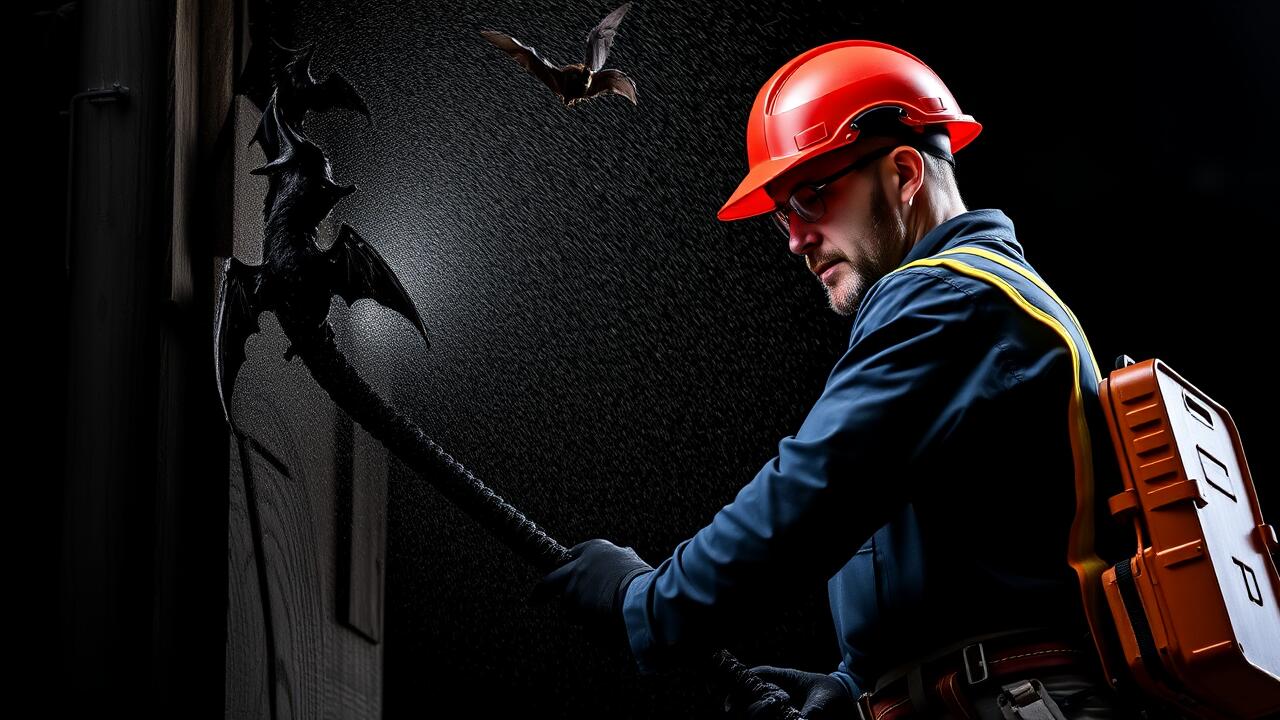
Physical exclusion techniques are essential for effective bat removal from your home or property. Sealing potential entry points is one of the most efficient methods to prevent bats from gaining access to indoor spaces. These entry points typically include gaps around windows, doors, vents, and rooflines. A thorough inspection should be conducted to identify these vulnerabilities. Using durable materials such as caulk, wire mesh, or other appropriate sealants can help ensure that bats cannot find their way back inside.
Additionally, it is crucial to install one-way exclusion devices in areas where bats typically exit. These devices allow bats to leave but prevent them from re-entering. This step is particularly useful during their active hours, as it facilitates their exit while keeping the home protected. Once bat removal is successfully accomplished, regular maintenance and inspections should be performed to maintain the integrity of your home against future invasions.
Sealing Off Entry Points
Identifying and sealing off entry points is crucial for effective bat removal. Bats can enter buildings through surprisingly small gaps, often no larger than a quarter. Inspect the structure carefully, focusing on common access areas such as eaves, vents, and chimneys. Utilizing materials like caulk, wire mesh, or foam insulation can help close these openings. This not only aids in bat removal but also prevents future infestations.
Timing is vital when sealing entry points. It is best to conduct these repairs during the late fall or winter when bats are less active and likely to be roosting elsewhere. Make sure to check local regulations regarding the treatment of bats, as many species are protected. Complete sealing of entry points reduces the chances of bats returning, enhancing the success of your bat removal efforts.
Timing Your Efforts
Finding the right time to initiate bat removal can greatly influence the success of your efforts. Bats typically enter and exit their roosts based on temperature and daylight hours. Most bat species in the United States are nocturnal, leaving their roosts at dusk and returning at dawn. Observing these patterns can help you determine the best time to act, ensuring that you focus your attention when the bats are out.
Timing is especially crucial during the breeding season, which usually occurs in late spring to early summer. Bats may be more difficult to disturb during this period due to the presence of pups. It is advisable to wait until late summer or early fall when young bats are capable of flying and the chances of abandoning the roost are higher. This strategic approach not only makes removal more efficient but also aligns with ethical considerations in bat removal.
Best Seasons for Bat Removal
The timing of bat removal efforts is crucial for effective outcomes. Late summer and early fall are considered ideal for removing bats. During these months, many bats are weaning their young and preparing to leave their roosts. This natural migration makes it easier to encourage their exit without causing distress to the colony.
Attempting bat removal in the spring can be counterproductive. Many bats are still in their roosts, often with dependent pups. Disturbing roosting bats during this time can lead to significant challenges and may be illegal in certain areas due to protections on specific bat species. Planning for bat removal during the right season can greatly enhance success rates while ensuring compliance with wildlife regulations.
Seeking Professional Help
If your efforts to remove a bat prove unsuccessful, seeking professional help can provide effective solutions. Wildlife control experts are trained to handle bat removals safely and legally. They not only have the necessary tools and experience but also understand local regulations regarding bat removal and relocation. Hiring a professional ensures that the process is conducted without harm to the bats or violation of conservation laws.
When contacting a wildlife control service, it is essential to choose one with a solid reputation and proper licensing. Make sure to ask about their methods and how they ensure the safety of the bats during the removal process. Professionals often incorporate humane techniques to encourage bats to leave while preventing their return. Engaging experts for bat removal offers peace of mind and helps maintain a healthy environment in your home.
When to Contact Wildlife Control
If you find yourself dealing with a bat infestation that is beyond your control or comfort level, it may be time to contact wildlife control professionals. These experts have the knowledge and tools necessary for safe and effective bat removal. They can assess the situation thoroughly, identify entry points, and ensure that the bats are removed humanely.
Attempting to remove bats without proper training can pose risks to both the individuals involved and the animals. Wildlife control services are equipped to handle bat removal while adhering to local wildlife laws and regulations. Their experience in dealing with these creatures ensures a more efficient resolution, allowing you to reclaim your space safely.
FAQS
What are some physical exclusion techniques to get a bat to leave?
Physical exclusion techniques include sealing off entry points, such as gaps in roofs, vents, and cracks in walls, to prevent bats from entering your home.
When is the best time to remove bats?
The best seasons for bat removal are typically late fall or early spring when bats are less likely to be nursing young and are more likely to have left their roosts.
How can I tell if I have a bat problem in my home?
Signs of a bat problem can include hearing squeaking or rustling sounds in your attic or walls, finding bat droppings, or noticing a strong, musty odor.
When should I consider calling a professional wildlife control service?
You should contact a wildlife control professional if you have a significant bat infestation, are unsure how to safely remove bats, or if bats are present during their breeding season.
Are there any humane ways to get rid of bats?
Yes, humane methods include using exclusion techniques to allow bats to leave on their own without harm, such as installing one-way doors that bats can exit through but cannot re-enter.