The Exclusion Process
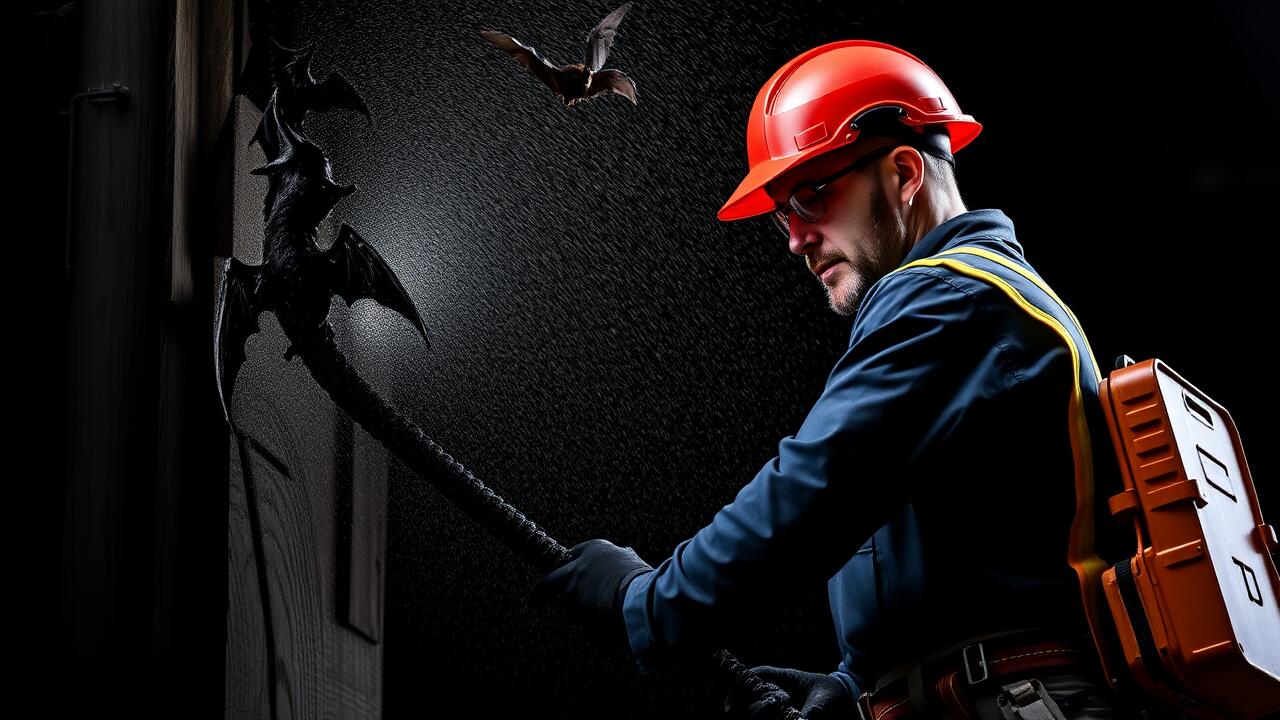
Exclusion is a critical step in the bat removal process. Exterminators first conduct a thorough inspection of the property to identify potential entry points. This includes examining holes, gaps, and other vulnerabilities in walls, roofs, and eaves. After pinpointing these areas, professionals will devise a plan to seal off access while ensuring that any bats currently inside the structure can exit safely.
Once the entry points are identified, exterminators utilize various materials to effectively block these openings. This may involve using caulk, metal mesh, or other sturdy substances that can prevent future access. The aim is to create a barrier that bats cannot penetrate while allowing for natural ventilation and safety. By implementing these measures, the chance of a bat re-infestation diminishes significantly, making the environment more secure for both residents and wildlife.
How Exterminators Seal Entry Points
Once an exterminator identifies the entry points that bats use to access a building, the sealing process begins. This involves using durable materials such as steel mesh, caulk, and expandable foam. Exterminators ensure that these materials are properly installed to prevent bats from returning. They often seal gaps and cracks in walls, roofs, and foundations to eliminate potential entryways. An essential part of the bat removal strategy, this step helps protect homes from future infestations.
In some cases, exterminators may apply one-way doors or netting to facilitate the safe exit of bats while preventing their re-entry. These methods enable the bats to leave the premises without harming them, which is crucial for effective bat removal. After sealing the entry points, exterminators will conduct follow-up inspections to ensure that no new access points have been created. This comprehensive approach reduces the risk of bats returning and preserves the integrity of the structure.
Safe Bat Removal Practices
Safe bat removal practices prioritize both the wellbeing of humans and the bats involved. Exterminators often use specialized equipment like traps and nets designed to capture bats without causing them harm. They may also rely on non-lethal methods, such as exclusion devices, which allow bats to exit a space while preventing re-entry. This humane approach not only fosters a safer environment but also maintains the ecological balance by allowing bat populations to thrive away from human habitation.
These practices align with wildlife protection laws, which mandate careful considerations during bat removal. Exterminators are trained to recognize the signs of bat presence and assess the best times for removal, typically avoiding breeding seasons. Understanding the importance of a gentle approach ensures that bats are treated with respect, minimizing stress on the animals. Implementing these safe practices helps to create a harmonious coexistence between humans and wildlife.
Ensuring Safety for Humans and Bats
Ensuring safety during bat removal is crucial for both humans and the bats themselves. Exterminators utilize specific techniques to exclude bats from homes without causing them harm. This often involves using one-way exclusion devices, which allow bats to exit but prevent them from re-entering. Such methods promote a safe environment for wildlife while effectively addressing the issue.
Exterminators also take precautions to protect themselves during bat removal processes. Wearing protective gear is essential to avoid bites and minimize exposure to potential diseases. Understanding bat behavior helps professionals gauge the best times for interventions, limiting stress for the animals. By prioritizing safety, exterminators can facilitate a humane solution to bat infestations.
Legal Considerations for Bat Removal
When addressing bat removal, it is crucial to understand the legal frameworks that protect these creatures. Many species of bats are classified as protected wildlife under federal and state laws. This protection often means that exterminators cannot simply remove bats from a property at any time. Specific regulations often dictate when and how removal can occur, usually requiring that any eviction happen outside of the bats' breeding season to ensure their survival.
Failure to comply with these legal considerations can result in significant penalties, including fines and legal action against homeowners or exterminators. It is essential for those involved in bat removal to be knowledgeable about applicable wildlife protection laws to avoid potential repercussions. Consulting with professionals who specialize in wildlife management can help ensure that the removal process is conducted legally and ethically.
Understanding Wildlife Protection Laws
Wildlife protection laws play a crucial role in regulating bat removal practices across various states. Bats are often protected species due to their ecological importance, which includes pest control and pollination. Exterminators must familiarize themselves with local and federal regulations before initiating any removal process. Failure to comply with these laws can result in significant fines and legal repercussions.
Many jurisdictions require that bats be safely relocated rather than exterminated. Specific times of the year, typically during maternity seasons, may prohibit removal altogether to protect the young. Exterminators need to follow these guidelines carefully to ensure they conduct bat removal in a lawful manner while minimizing harm to both the animals and the ecosystem.
FAQS
What methods do exterminators use to remove bats from homes?
Exterminators typically use a combination of exclusion techniques, safe removal practices, and sealing entry points to ensure bats are removed humanely and effectively.
Are exterminators allowed to kill bats?
No, exterminators are generally prohibited from killing bats due to wildlife protection laws. They focus on humane removal and exclusion methods to relocate bats safely.
How can I tell if I have bats in my home?
Signs of bats in your home may include unusual noises in the attic or walls, bat droppings (guano), and a strong, musky odor. You may also see bats flying around your property at dusk.
What should I do if I find a bat inside my house?
If you find a bat inside your house, it's best to stay calm and avoid touching it. Close the doors to other rooms to contain it, and contact a professional exterminator or wildlife removal service for assistance.
How long does the bat removal process take?
The duration of the bat removal process can vary depending on the size of the infestation and the specific methods used. Typically, it can take anywhere from a few days to several weeks to fully remove and secure the area against future entry.